


Moisture-Rich Cat Food
Wundercat
Picky Cat
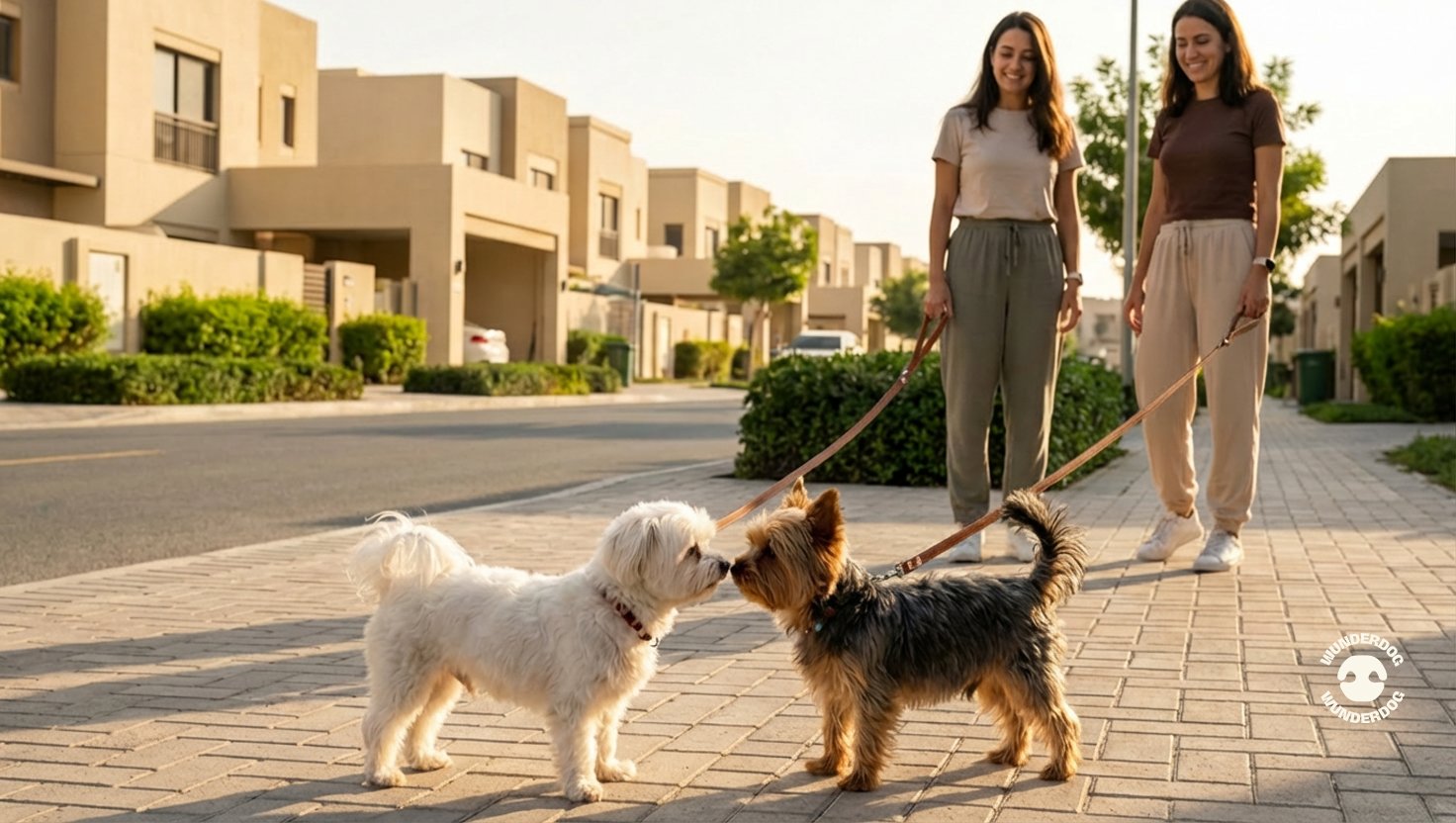

Keeping your dog at a healthy weight is not about appearance. It affects how they move, breathe, rest, and cope with daily life. Even small amounts of excess weight can reduce comfort and energy long before serious health issues appear.
In the UAE, dog weight management comes with added challenges. High temperatures limit outdoor exercise for much of the year. Many dogs live indoors in apartments across Dubai, Abu Dhabi, and Sharjah. Walks are shorter, routines are tighter, and treats often become a key way we show care and affection. None of this is wrong, but without structure, weight gain can happen quietly.
This guide is designed to help dog parents in the UAE manage their dog's weight in a realistic, sustainable way. No extremes. No guilt. Just practical steps that work in this climate and lifestyle.
Before changing food or exercise, it helps to confirm whether your dog is actually carrying extra weight. The number on the scale can be useful, but it does not tell the full story on its own. Body shape and fat distribution matter just as much.
A simple at-home check can give you a reliable starting point:
If ribs are difficult to feel, the waist has disappeared, or the belly looks rounded, extra weight is likely affecting comfort even if your dog still seems active.
These checks form the basis of what vets call a Body Condition Score (BCS), a practical way to assess whether a dog is underweight, ideal, or carrying excess fat, regardless of breed or size.
If you have ever felt like your dog gains weight "easily" here, you are not imagining it. UAE life can quietly reduce daily movement and increase extra calories, even when you are doing your best.
Here are the most common local contributors:
Heat plays a major role. For much of the year, walks are restricted to early morning or late evening to avoid hot asphalt and dangerous temperatures. Even active dogs often move far less than they would in cooler climates. When food portions stay the same but activity drops, weight gain becomes far more likely.
Exercise supports weight loss, but in the UAE the priority is safety. The goal is to increase daily movement without pushing your dog into overheating or exhaustion, especially if they are already carrying extra weight.
Start with timing. The safest outdoor windows for dog walks in Dubai and across the UAE are usually early morning (before 7 AM) and late evening (after 8 PM). Short, regular walks are often better than one long outing.
Then build in indoor movement. Indoor exercise for overweight dogs matters more here than most dog parents expect, and small sessions done consistently can add up.
Practical options to consider:
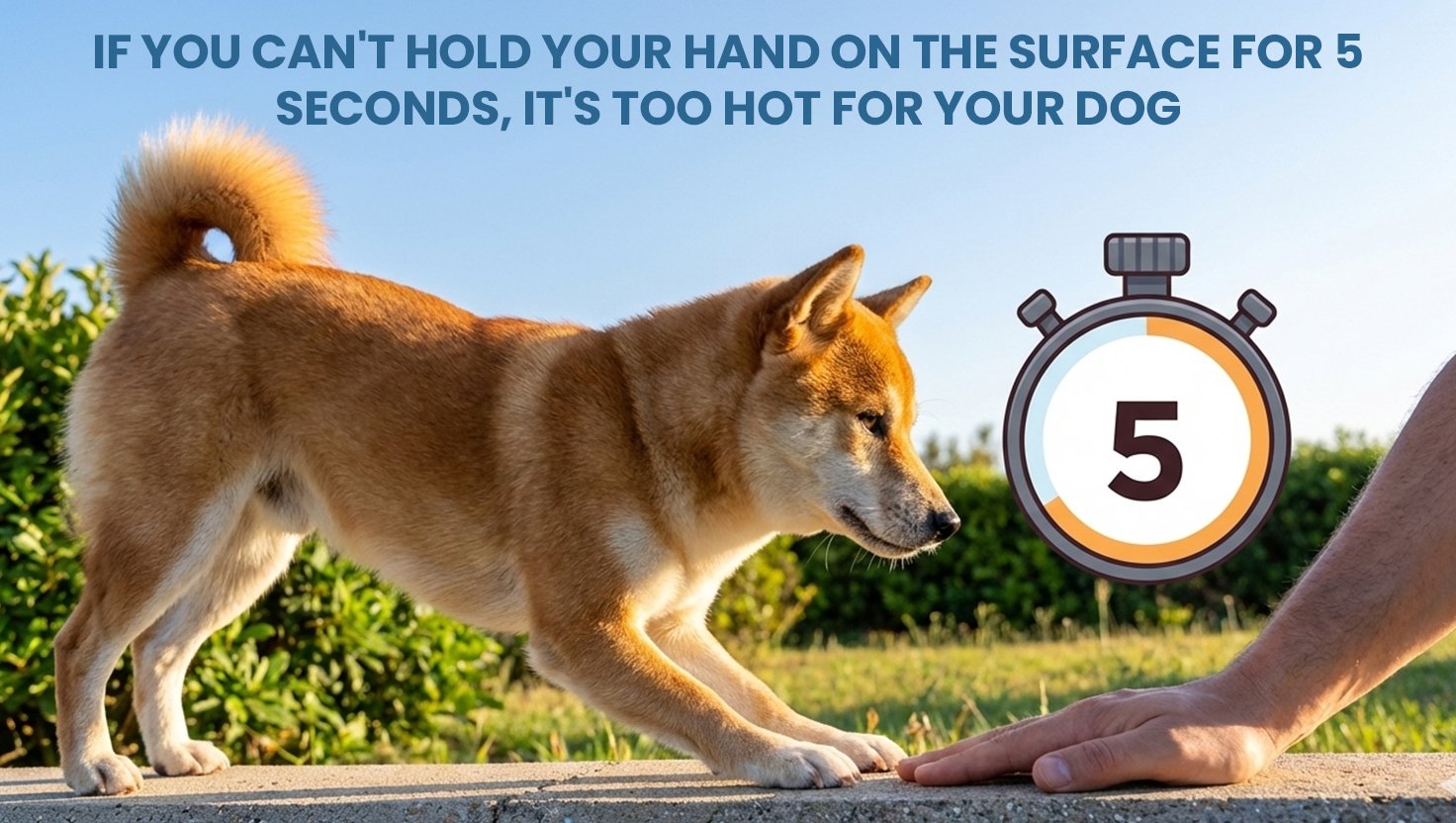
Watch your dog closely during exercise in the UAE heat. Heavy panting, slowing down, reluctance to continue, or seeking shade are signs to stop and cool down. Consistent, safe movement built into daily life is far more effective than occasional intense sessions that are hard to maintain.
If exercise is the support, nutrition is the driver. Most weight loss progress comes down to how consistently you can manage daily calorie intake, including treats and "little extras".
The core principles are simple, but they need to be done consistently:
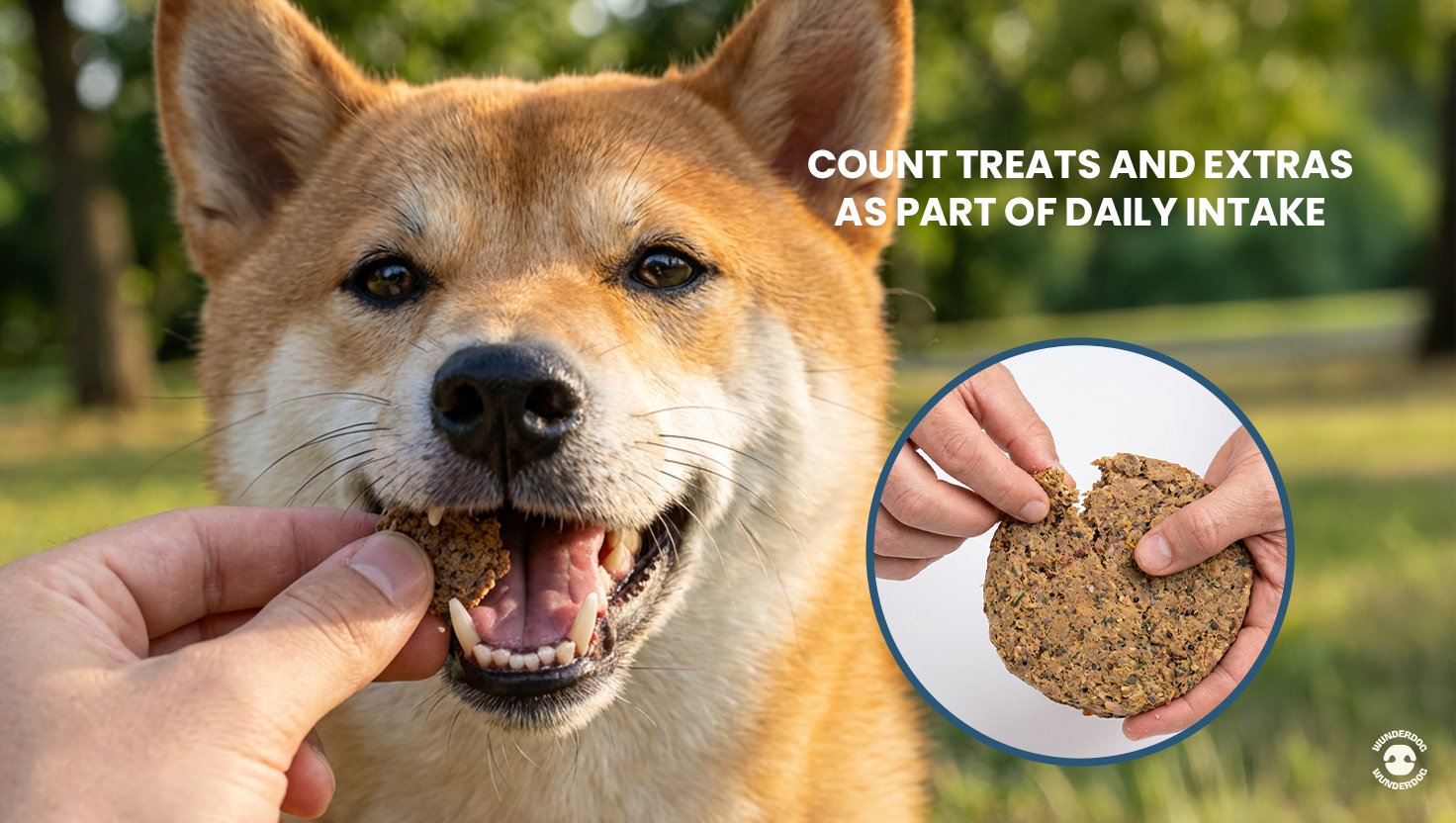
Many dogs gain weight because portions are slightly larger than they need to be, or because treats add more calories than expected. Aim for safe, gradual weight loss of 3-5% body weight per month. Consistency matters more than speed. Gradual, predictable changes are safer and easier to maintain than aggressive restriction.
Fresh food can be a useful tool for weight management when it helps you stay consistent. The main benefit is not a trend or a promise. It is practicality: clearer portions, fewer "guessing" moments, and meals that feel satisfying.
Benefits include:

When feeding becomes simpler and more predictable, weight management stops feeling like a constant reset and starts to feel manageable.
Not all dogs gain or lose weight in the same way. Breed, coat type, and underlying health issues can all influence how quickly weight goes on and how carefully it should come off.
Some breeds commonly seen in the UAE are more prone to weight gain, such as Labradors, Golden Retrievers, and Beagles. Smaller breeds like Shih Tzus and Pomeranians can look compact rather than overweight, delaying recognition. Thick-coated breeds such as Huskies, German Shepherds, and Samoyeds often struggle more in hot climates, where reduced activity and heat intolerance contribute to gradual weight gain.
If your dog has joint stiffness, breathing changes, or unusually rapid weight gain, weight management should be approached more cautiously and with professional input.
For many dogs, careful feeding and realistic movement changes are enough to start progress. But some situations call for expert guidance to keep weight loss safe and effective.
Involve a veterinarian in Dubai or your local UAE area if:
Professional veterinary nutrition consultations can help tailor calorie targets and monitor progress safely, especially for dogs with health concerns.
Tracking should help you stay consistent, not make you second-guess every meal. Weight loss is rarely perfectly linear, so the goal is to look for steady progress over weeks, not daily changes.
Many dog parents notice improvements in energy and comfort before visible weight changes appear.
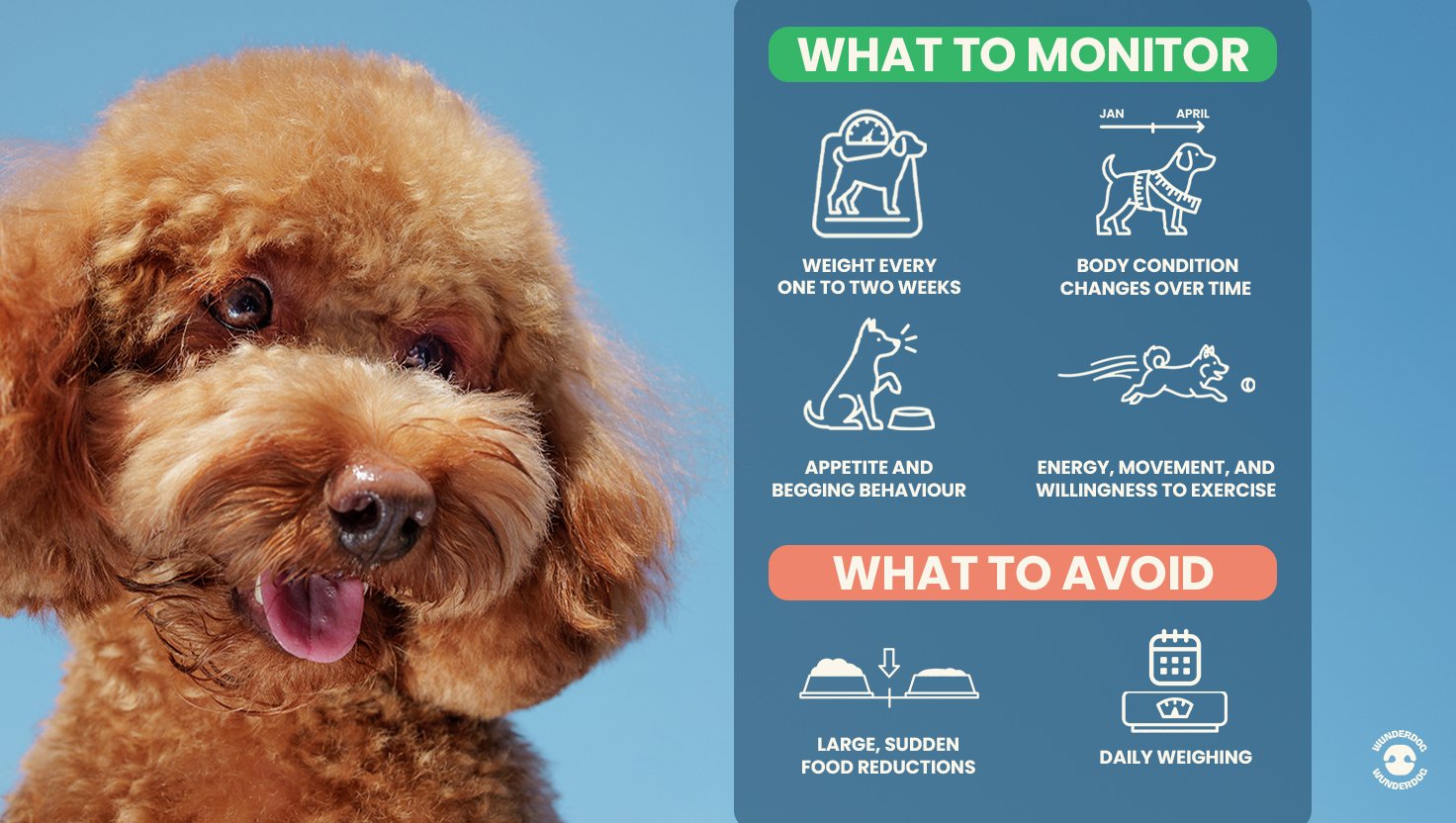
Healthy weight management in the UAE is about realism. Adjust exercise to suit the climate. Measure food accurately. Manage treats intentionally. Track progress calmly.
Small changes made early are far easier than reversing long-term dog obesity. When health issues are present, professional guidance from your veterinarian helps keep weight loss safe and sustainable.
A healthy weight supports easier movement, better breathing, and a more comfortable daily life. With thoughtful routines adapted to UAE living conditions, dogs can maintain a healthy weight year-round without extremes or deprivation.