

Fuel the adventure.
Get a meal plan that adjusts for your dog's lifestyle.
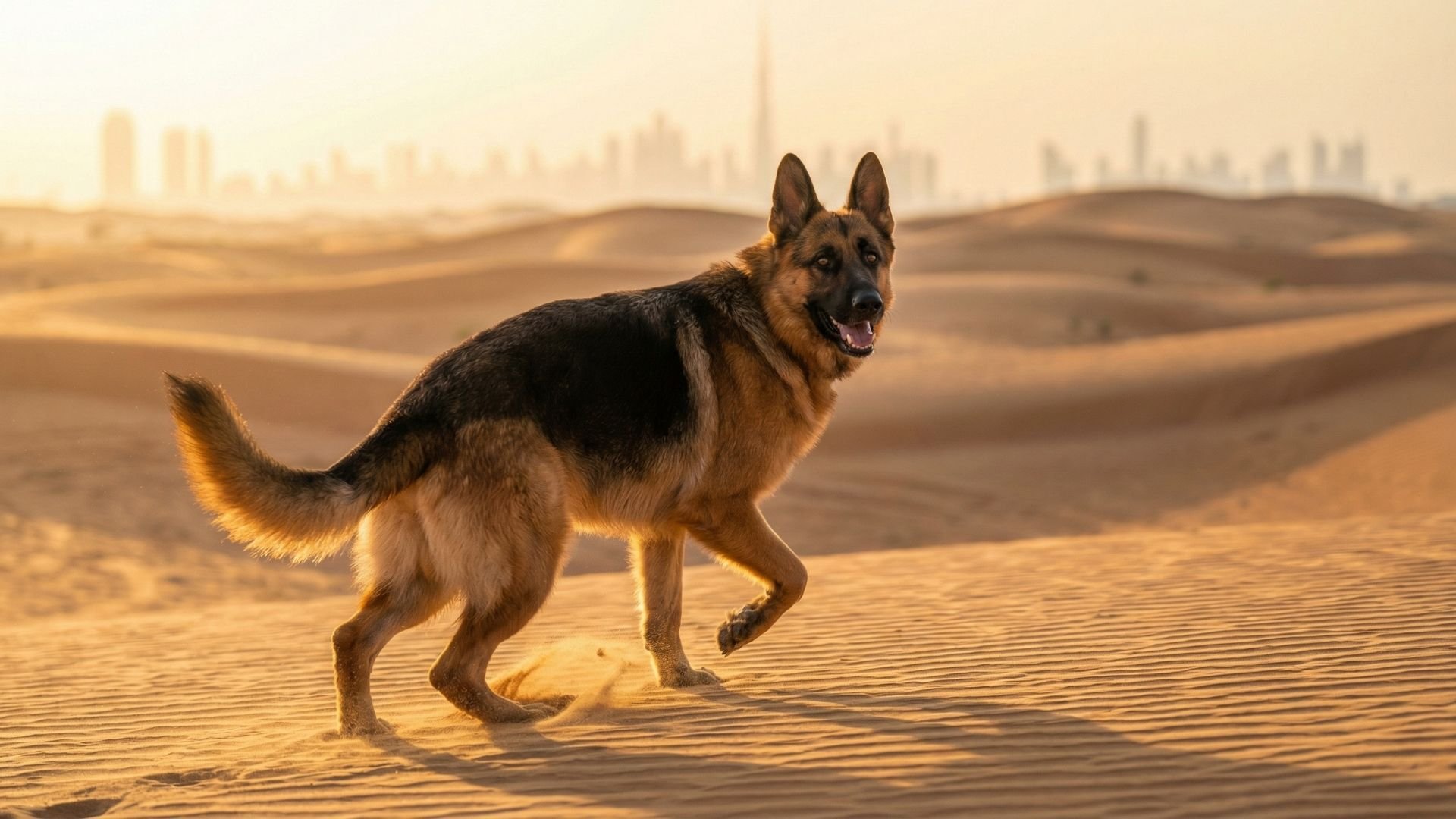

Life in the UAE often follows a familiar rhythm. Sunday to Thursday is a blur of work, commutes, and quick evening walks for our dogs. Then comes the weekend, and suddenly our dogs transform from couch companions into endurance athletes, tackling wadis, beach runs, and desert adventures. We call this the Weekend Warrior Syndrome.
On the surface, this pattern seems healthy. Hiking and swimming certainly burn calories. But for many dogs, this cycle of five sedentary days followed by two days of intense exertion creates a nutritional mismatch that can lead to both weight gain and injury. Research confirms that sedentary dogs that engage in sudden intense activity are more susceptible to injury because their muscles and joints are simply not conditioned for the demand. Paradoxically, the dogs we think are most active are often the ones carrying excess weight and putting their knees at risk.
The solution is not to stop adventuring. It is to rethink how we fuel our dogs for the work they actually do. This is where a concept borrowed from elite human athletics becomes invaluable: Nutritional Periodisation.
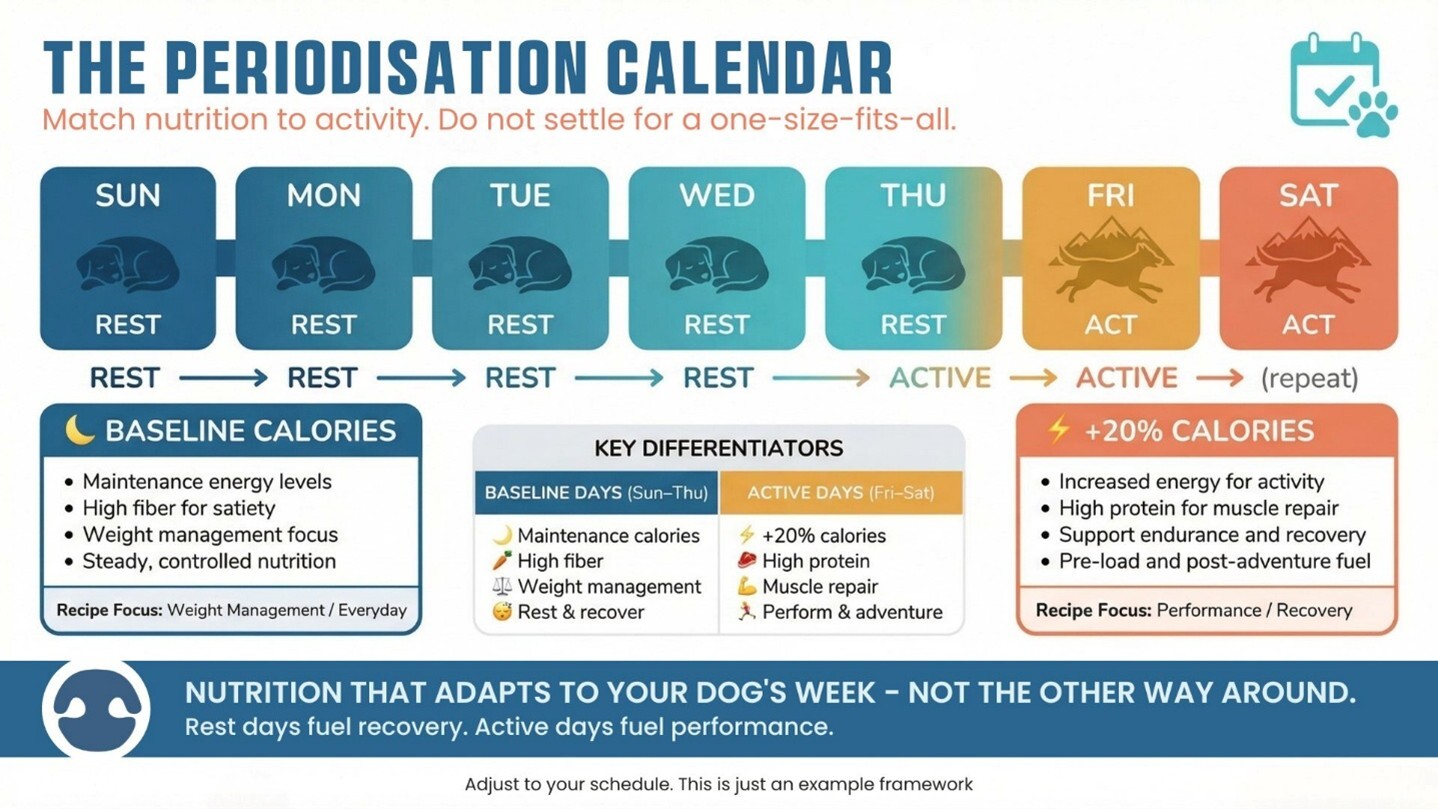
The most common mistake owners make is what we might call calorie banking. We overfeed slightly during the week (because those big eyes are convincing), telling ourselves it will all be burned off on Saturday. Biology does not work that way. When a dog is sedentary during the week, excess calories are immediately stored as fat in deposits under the skin, around vital organs, and within membranes surrounding the intestines.
A 500-calorie surplus from Sunday to Thursday cannot simply be erased by a three-hour hike on Saturday. Obesity is the most common form of malnutrition in companion animals, driven by an increasingly sedentary lifestyle combined with highly palatable, energy-dense food. Worse still, carrying that extra weight into the weekend significantly increases the mechanical load on joints, setting the stage for injury.
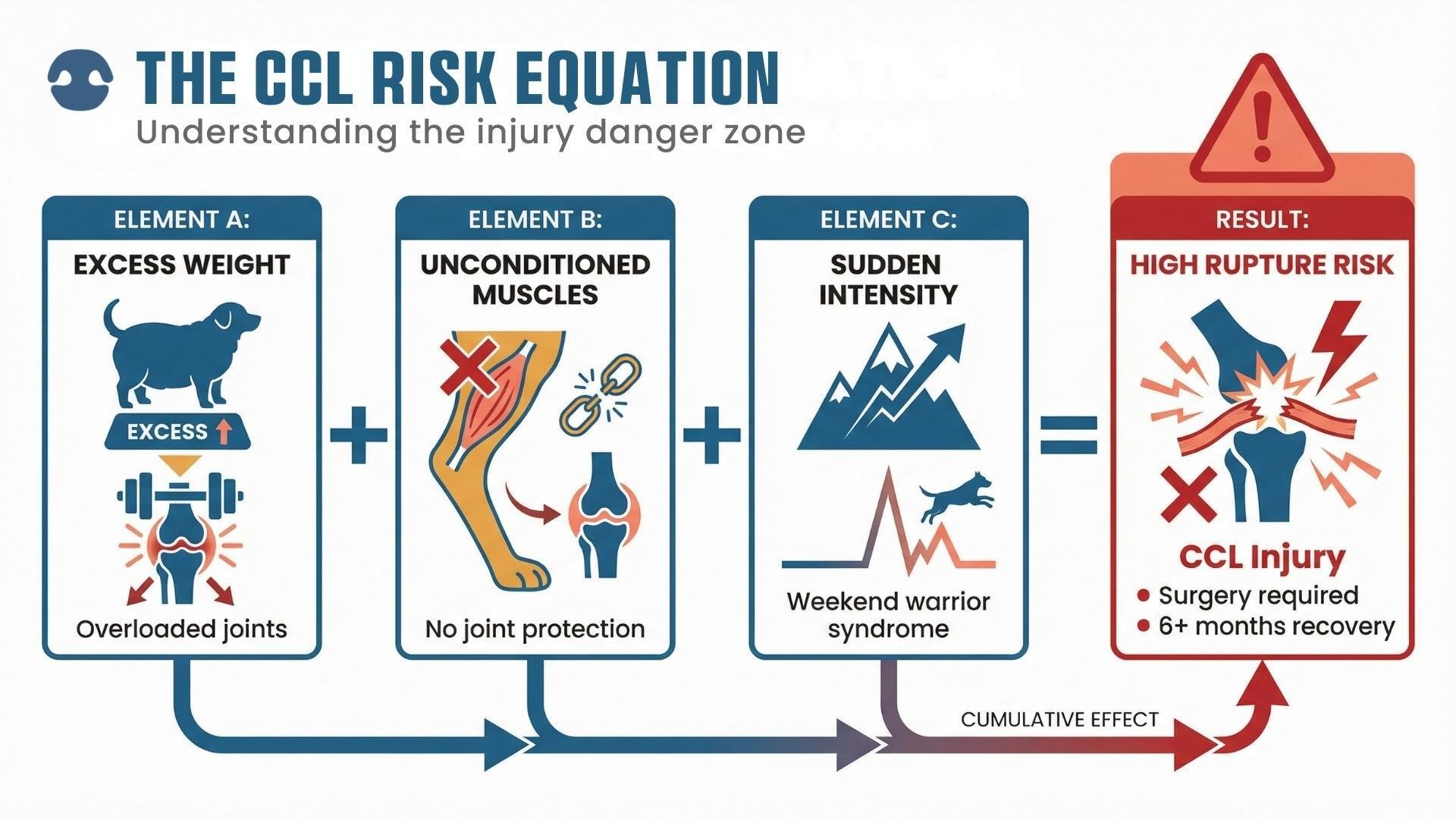
The Cranial Cruciate Ligament (CCL) is the dog's equivalent of the human ACL, and its rupture is one of the most common orthopaedic injuries veterinarians see. According to research published by Frontiers in Veterinary Science, inconsistent activity combined with excess body weight is a primary risk factor for rupture.
Established risk factors for CCL rupture include:
A comprehensive review in Animals journal explains the mechanism clearly: obesity contributes to degenerative changes and weakening of ligaments through the release of pro-inflammatory adipokines by fat cells. Meanwhile, weekday inactivity leads to muscle deconditioning. The quadriceps, biceps femoris, and gastrocnemius muscles require coordination and precise timing to deliver active stifle stability. When these muscles fatigue early due to poor conditioning, the load shifts directly onto the ligaments. If the dog is also overweight, the force on the CCL can exceed its tensile strength.
As VCA Animal Hospitals notes, obesity or excess weight can predispose dogs to cruciate ligament rupture, and if your dog is overweight, post-surgical recovery time will be much longer. Obesity also greatly increases the risk of injury to the other knee, especially during the recuperation period. Weight management is as important as surgery in ensuring a return to normal function.
To protect your weekend warrior, you need to match their fuel to their schedule. This means moving away from the same scoop every day mentality and instead adapting intake based on actual energy expenditure.
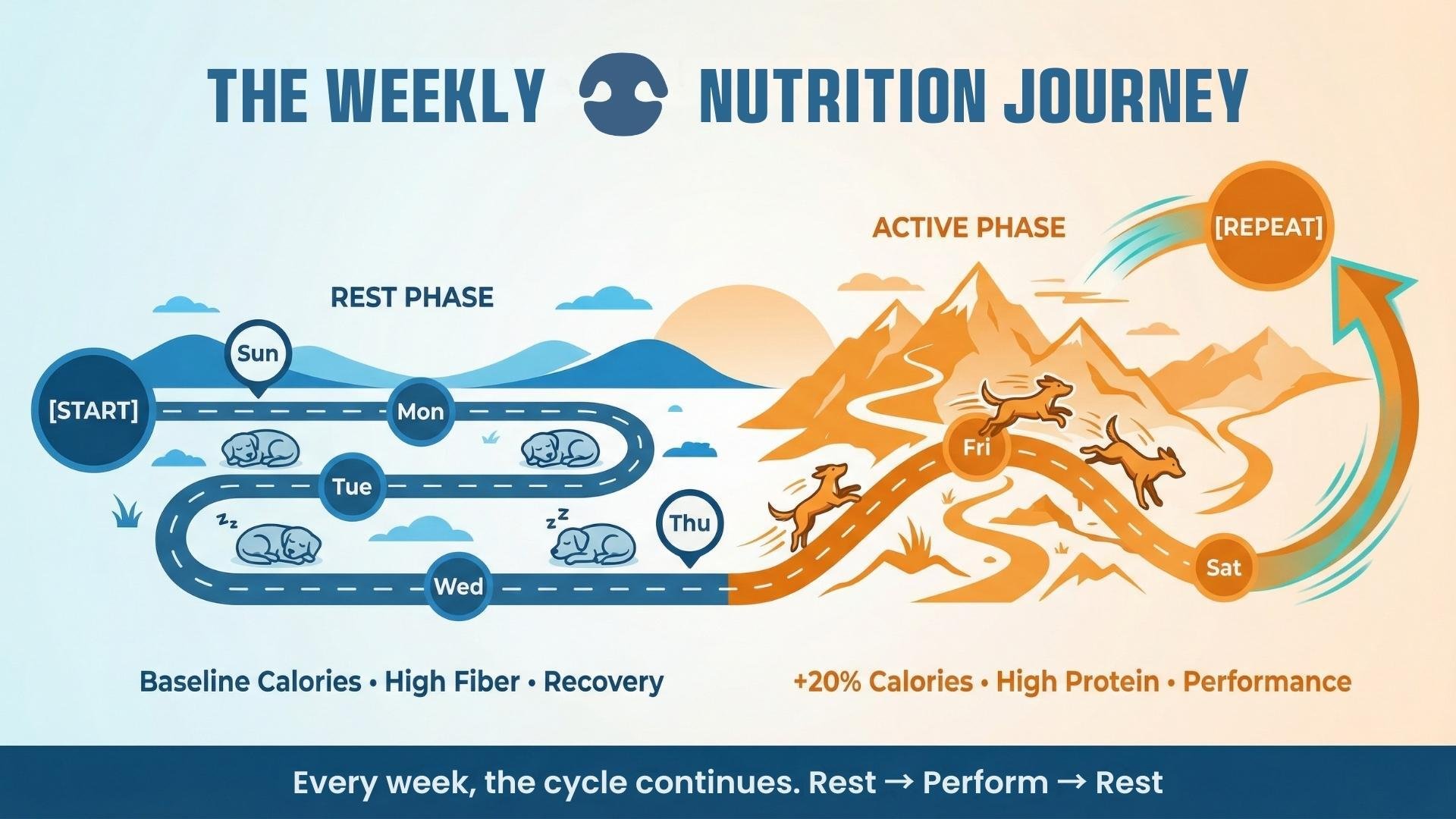
During the work week, your dog is in maintenance mode. Their caloric needs are at their lowest. A dog's Resting Energy Requirement (RER) represents the energy needed for essential physiological functions like respiration, digestion, and cardiac activity. For a sedentary pet, maintenance typically means RER multiplied by approximately 1.4.
Your weekday strategy should focus on:
On activity days, calorie needs can spike to 1.5 to 2 times the resting requirement. But you do not just need more food. You need recovery food. As The Kennel Club explains, muscle breakdown continues after exercise until a dog is fed, which is why it is important to rehydrate and feed after exercise. The nutrients in the food provide the building blocks to allow muscles to switch from breakdown to rebuilding.
Intense intermittent exercise causes micro-tears in muscle fibres and oxidative stress. Research shows that consuming protein after exercise stimulates muscle protein synthesis, the biological mechanism that repairs and rebuilds damaged muscle tissue. The amino acid leucine is particularly important, as it directly triggers the repair cascade. Without adequate protein immediately post-exercise, the body cannot repair the micro-damage. Instead of building stronger muscle, the dog experiences muscle wasting, leaving them weaker for the next adventure.
Your weekend strategy should include:
The strategy for activity days is to increase portion size by 20 to 30 percent on the morning of the hike and the meal immediately following. Choose recipes rich in high-quality animal protein and antioxidants to support both energy demands and recovery.
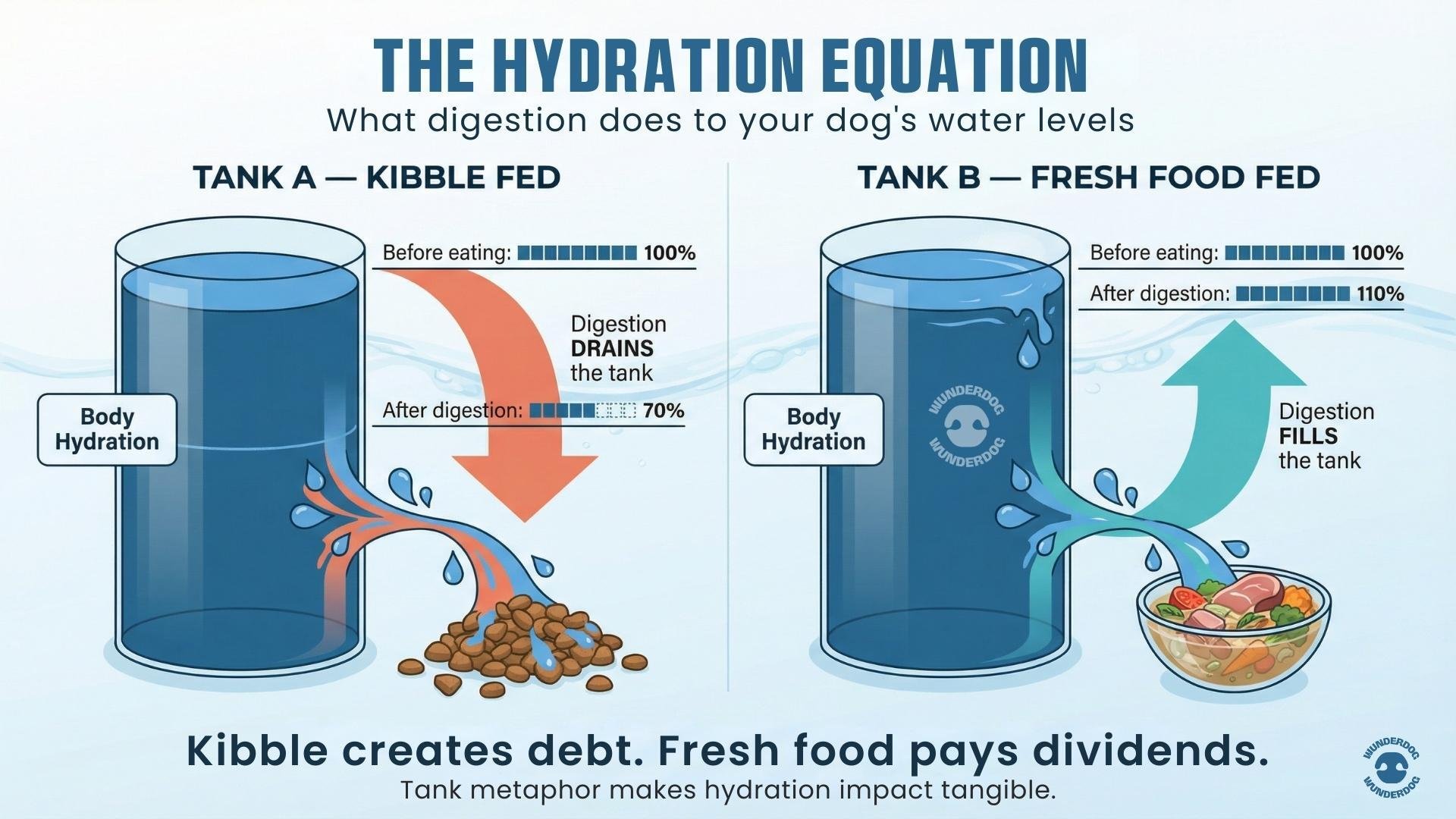
In the UAE, even winter hikes can be dehydrating. Dogs cool themselves almost entirely through panting. According to research published in the Journal of Applied Physiology, panting is a controlled increase in respiratory frequency designed to elevate evaporative heat loss from the upper respiratory tract. At high ambient temperatures, panting becomes the primary mechanism for thermoregulation, accounting for up to 90% of heat dissipation when conditions are warm.
This process evaporates significant moisture from the tongue, nasal passages, and lungs, effectively pulling water from the body to release heat. The result is substantial fluid loss that must be replenished.
Feeding dry kibble after a desert hike is biologically taxing. Dry food typically contains only 10 to 12% moisture, which requires the body to pull water from the bloodstream to the stomach to facilitate digestion. This deepens the dehydration debt precisely when the body most needs to recover.
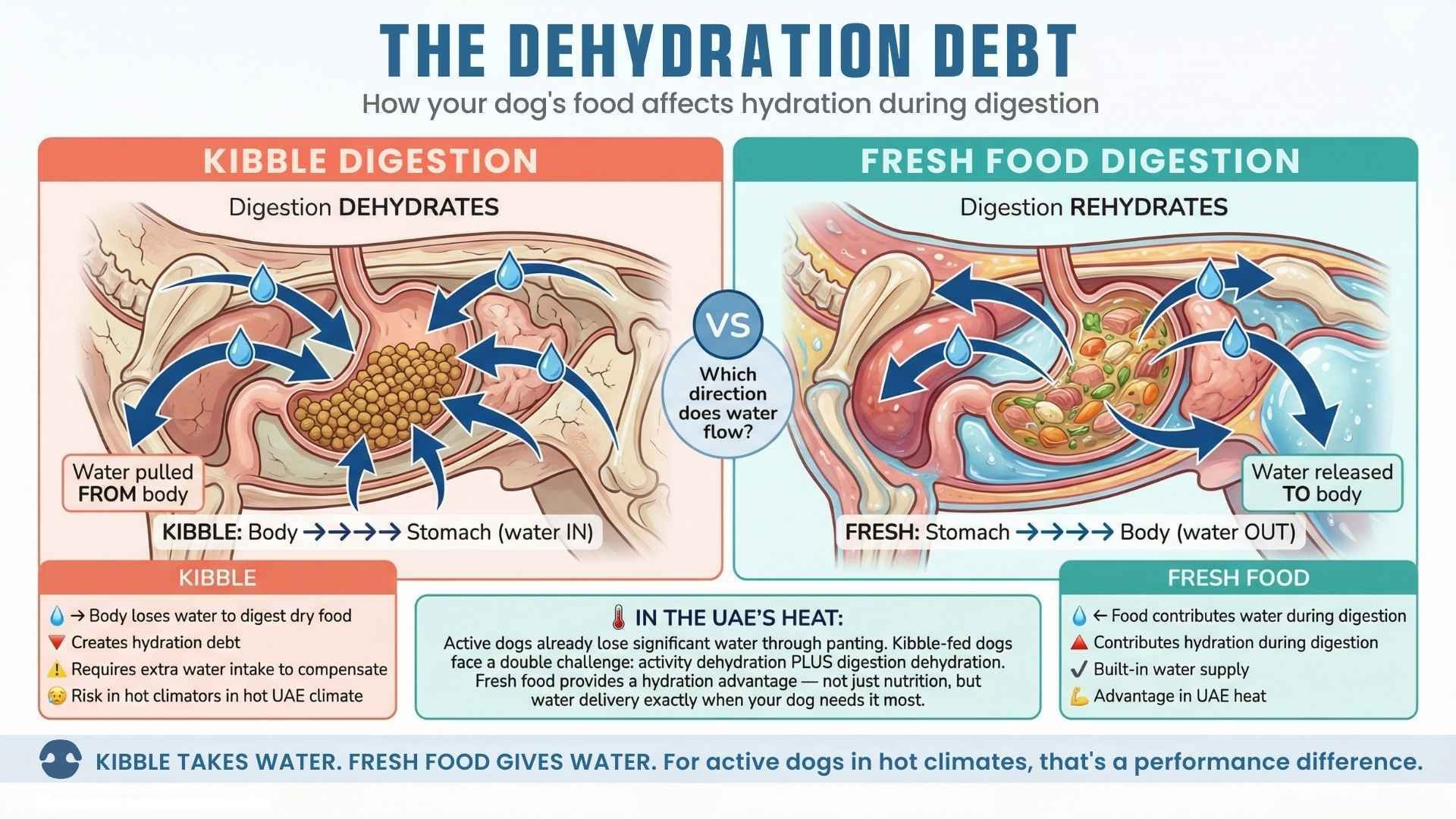
In comparison, a fresh food meal acts as what we might call a hydrating solid. Fresh and wet foods provide around 70 to 78% moisture, which supports hydration and digestion simultaneously. This moisture helps break down nutrients for easier absorption, reduces strain on the kidneys, and replenishes fluid levels while providing essential nutrients. Proper hydration supports bodily functions including digestion, circulation, and temperature regulation.
The pre-hike strategy is equally important. Feed a fresh meal two to three hours before activity. This creates a fluid reservoir in the gut, helping to prevent exertional heat illness before the hike even starts.
Exertional heat illness is a serious concern for active dogs in warm climates. Cornell University's veterinary faculty notes that unlike humans, dogs only have sweat glands on their paws and must rely on panting to cool down. Heatstroke occurs when a dog cannot regulate their body temperature, causing it to rise to 105 degrees Fahrenheit or higher. Dogs are most at risk during exercise in hot and humid weather.
Research in Today's Veterinary Practice confirms that exertional heatstroke is more common in dogs that have not been acclimated to their environment, and that obesity is a significant predisposing risk factor. To keep your adventure partner safe:
Your dog is not just a pet. They are your adventure partner. But being a weekend warrior requires a strategy. You cannot treat them like a couch companion all week and an athlete on the weekend without consequences.
By adopting nutritional periodisation, you accomplish several things at once. Feeding lighter during the week prevents the steady accumulation of excess weight. Providing adequate protein and hydration on activity days supports muscle recovery and reduces injury risk. And matching food format to the body's needs (fresh and moisture-rich after exertion, controlled and satiating during rest) respects the biological realities of how dogs process nutrients and regulate temperature.
This is not about complicated calculations. It is about recognising that your dog's activity level varies, and their nutrition should vary to match. A dog who rests all week does not need the same fuel as a dog preparing to tackle a mountain trail.
The payoff is significant: you protect their knees, build their resilience, maintain an ideal body condition, and ensure they are ready for the next wadi, season after season.