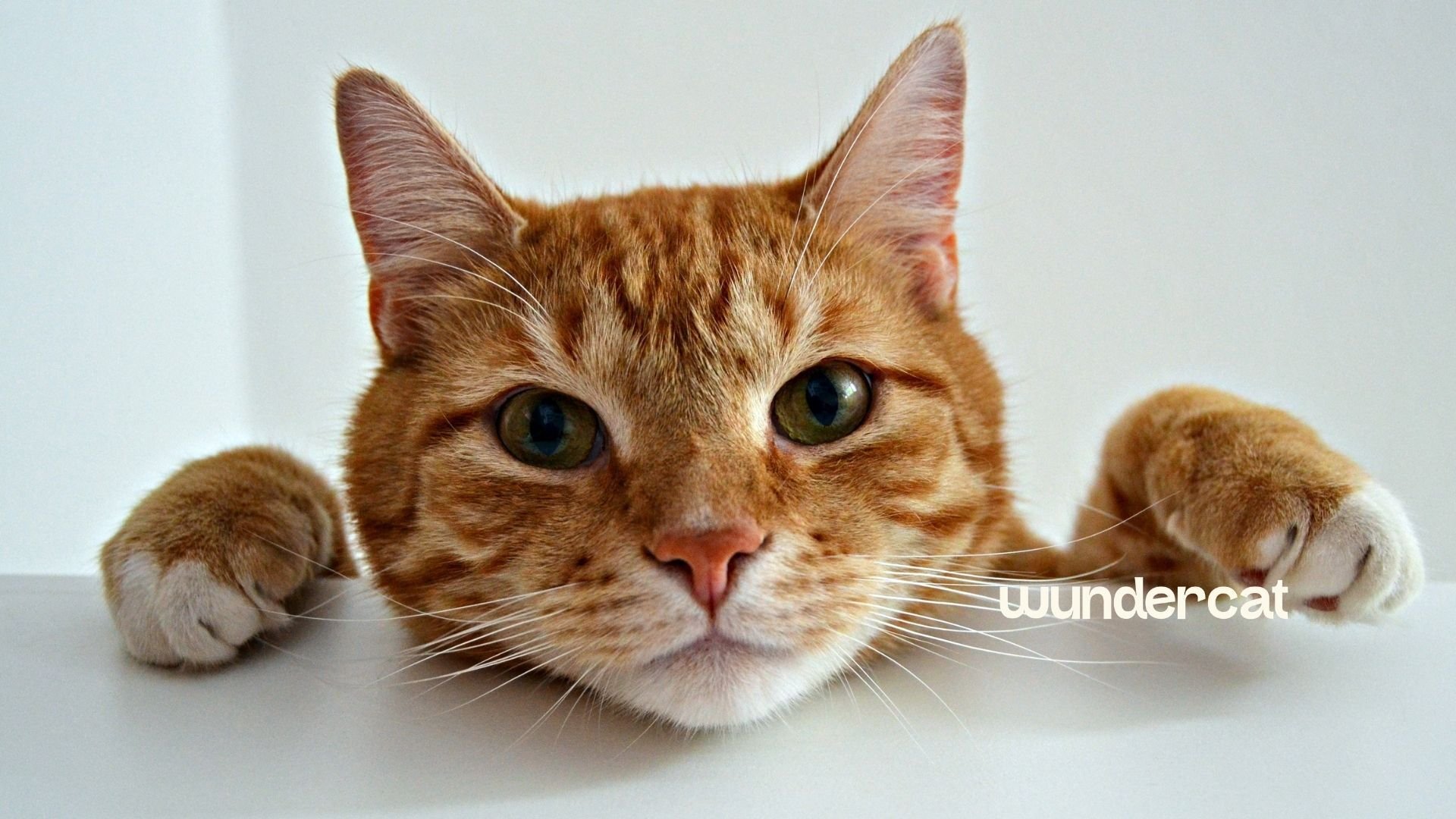
It starts with a look. Your cat sits on the table, glances at you, then slowly reaches out a paw towards your pen. A gentle tap. Another. Then, without breaking eye contact, they nudge it over the edge.
If you share your home with a cat, you have almost certainly lived this moment. Pens, hair ties, keys, the odd glass of water. Nothing on a flat surface is ever truly safe.
It can feel like mischief, but there is usually more going on. Cats don’t do things without a reason, and this habit says a lot about how they see the world.
Paws are for exploring
Cats use their paws the way we use our hands. When they find something new or interesting, a gentle tap is how they find out what it is. Does it move? Does it make a sound? Is it light or heavy? Pushing an object to the edge, and sometimes over it, is simply the end of that investigation.
The hunter in them
In the wild, cats often bat at small prey to check whether it is still moving. That same instinct shows up at home. A small object that slides, rolls or drops when tapped is exciting, and watching it fall can be just as satisfying as the push itself.
This is why the smallest, lightest things tend to go first. They behave most like something worth chasing.
It gets your attention
Cats are very good observers, and they learn quickly what makes us react. If knocking something over makes you jump up, say their name or come running, they notice. For a cat who wants company, food or play, that is a pretty effective way to ask for it.
Many guardians find this happens at very specific times: when they sit down to work, when they are on the phone, or early in the morning before breakfast. Once you spot the pattern, it starts to make a lot of sense.
Something to do
Indoor cats have plenty of energy and natural curiosity, but not always enough outlets for it. When the day feels a little too quiet, a table full of interesting objects becomes their entertainment.
This is especially true for apartment cats here in the UAE, who spend much of the year indoors, away from the summer heat. More play and more things to explore can make a real difference.
Working with your cat, not against them
There is no need to stop a cat being a cat. The aim is to give that curiosity somewhere better to go. A few simple ideas:
- Keep breakables and anything you need, such as keys and glasses, away from edges and off the surfaces your cat likes most.
- Give them a space of their own, like a window shelf or cat tree, with a few light toys they are free to bat around.
- Schedule short play sessions with a wand toy before you sit down to work. A cat who has just had a good hunt is often happy to settle nearby.
- Rotate toys every few days so there is always something new to investigate.
- Try puzzle toys or treat balls that roll and move when pushed, so the batting has a reward.
- Stay calm when something does fall. A big reaction can make the game even more rewarding. Quietly pick it up and move it somewhere safe.
- Never shout or use spray bottles. These only make your cat feel unsettled, and they still need an outlet for that curiosity.
A little more interest in their day
Cats are happiest when their day has things to explore, from new toys to new places to perch. That curiosity extends to the bowl too. Smell, texture and freshness all play a part in how a cat experiences their meal.
Wundercat meals are fresh, gently cooked and made with high animal protein, with a variety of proteins to explore so your cat can decide their own favourites. Mealtime becomes something worth looking forward to, rather than a reason to clear the table.
If you would like to see what catches their interest, start with a taster pack.
Discover Wundercat.