

Skip to content
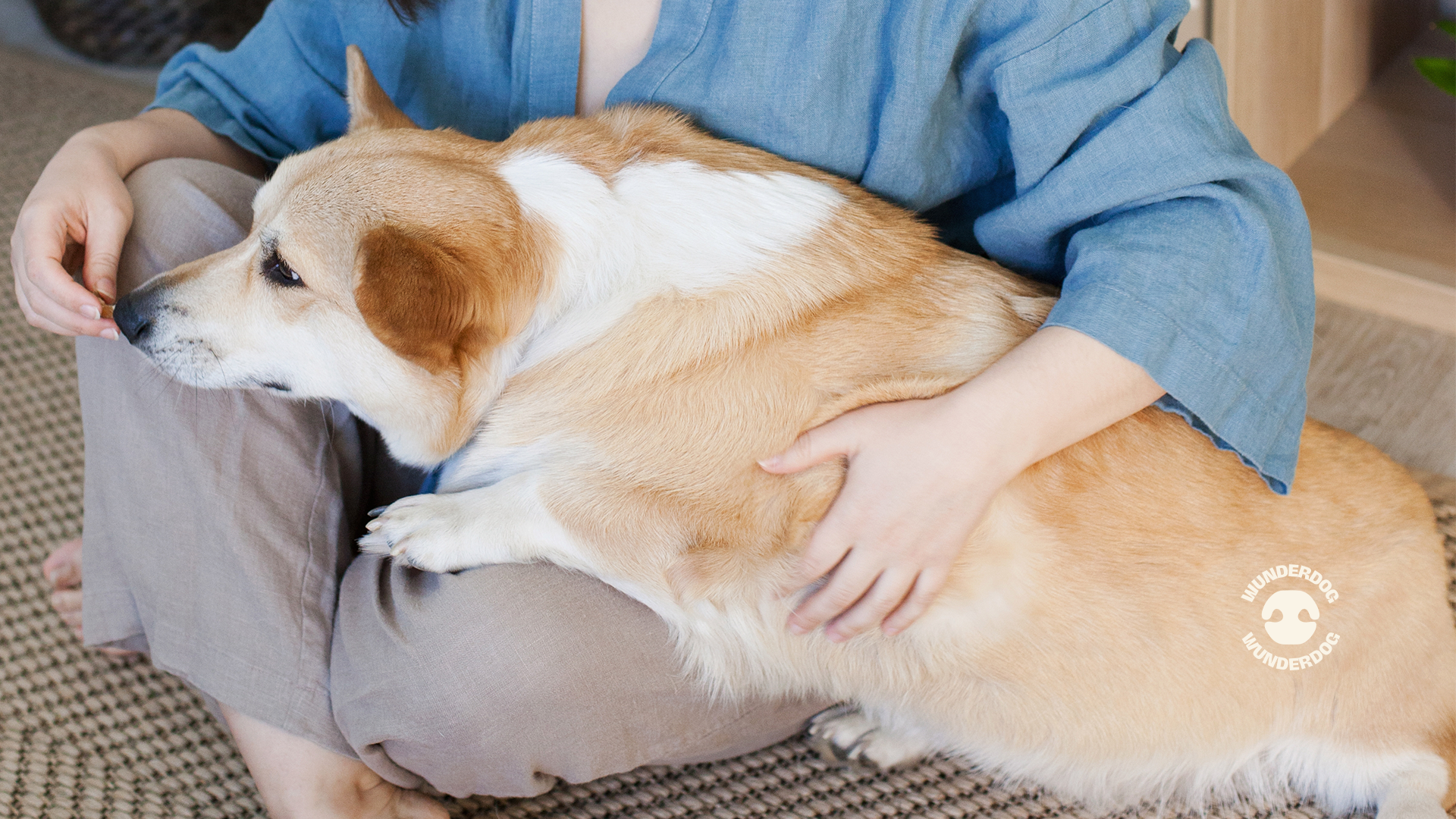
Dog resting comfortably on its owner’s lap while being gently held, showing calm behaviour and close bonding at home.
Therapeutic Recipes Skin and Coat Health Hypoallergenic Dog Diet

Understanding Dog Skin Allergies: Triggers, Nutrition and Treatment

Alaa Mneimneh |

Allergic skin conditions are one of the most common reasons dogs itch, scratch or develop red, irritated skin. Although this can feel never-ending for owners, most dogs improve when their skin, gut and environment are supported together. Skin health is influenced by nutrition, allergens and gut balance. When these areas are managed as one plan, dogs often experience fewer flare-ups and more stable comfort.

What Causes Allergic Skin Conditions in Dogs

Most dogs react to more than one trigger, which is why symptoms can appear at certain times of the year or after exposure to specific foods or environments.

Common Triggers

Most itchy dogs do not have just one trigger, and this mixed origin is the reason why identifying and managing several factors works better than trying to isolate only one.

Environmental allergens: Pollen, grass, mould spores and dust mites can cling to the coat and paws. Sensitive dogs react quickly during peak seasons.

Food-related sensitivities: Dogs may struggle with certain proteins or additives. Reactions often show up on the paws, face or belly. Limited ingredient diets can help identify the cause.

Fleas and parasites: A single flea bite can trigger intense itching. Year-round flea prevention is essential.

Contact irritants: Shampoos, detergents and fragrances can irritate the skin barrier. Gentle, fragrance-free products are usually better for sensitive dogs.

Why Dogs Enter a Scratch Cycle

When the skin becomes irritated, the protective barrier weakens. This increases dryness, inflammation and the risk of yeast or bacterial overgrowth. Scratching damages the barrier even more, creating a self-perpetuating cycle that repeats unless the underlying triggers are addressed.

Illustration of a dog scratching due to allergies with icons showing food, environmental triggers and skin irritants. Wunderdog allergy awareness graphic.

Why a Holistic Approach Helps

The Gut-Skin Connection

A large part of the immune system sits inside the digestive tract. When the gut is balanced, the skin responds more calmly to allergens. When the gut is imbalanced, the immune system becomes more reactive, leading to redness or flare-ups.

How Gut Health Supports the Skin

  • Helps regulate inflammation across the body
  • Improves nutrient absorption
  • Strengthens the natural skin barrier
  • Supports stool quality and overall comfort

Dogs on highly processed or low-fibre diets often show improvement once their gut is supported with fresh, gently cooked food.

The Role of Probiotics

Probiotics add beneficial bacteria that help stabilise the digestive environment. They support the immune system and can reduce the intensity of itching over time.

Prebiotic Fibre

Prebiotics feed the good bacteria already in the gut. Ingredients such as pumpkin, chicory root and certain vegetables gently support digestion. Wundercare recipes use this type of fibre because it benefits both gut and skin health.

Venn diagram showing how gut health, nutrition and environment work together to support skin comfort in dogs.

Nutrition for Dogs With Itchy Skin

Food plays a central role in calming inflammation, supporting the gut, and strengthening the skin barrier. A well-chosen diet can be one of the most effective steps for long-term relief. Many itchy dogs respond best to recipes that limit common trigger ingredients, stabilise the gut, and provide anti-inflammatory support.

Choosing the Right Protein and Ingredients

Dogs with sensitivities often do better on single-source proteins and limited ingredient recipes. These reduce exposure to common triggers such as chicken, beef, wheat, dairy and soy. Novel proteins like camel, lamb or turkey can also help lower reactivity, especially during flare-ups.

Elimination Diets and Transition

When the cause of itching is unclear, veterinarians often recommend an elimination diet. This is a temporary plan where the dog eats one simple protein and one gentle carbohydrate source for several weeks while all other treats and toppings are removed. If symptoms improve, foods are slowly reintroduced to identify the trigger. Even outside a formal elimination diet, transitioning to a new recipe should always be gradual. A typical transition takes around seven to fourteen days and helps prevent digestive stress, so the gut can adapt comfortably.

Skin Support Through Whole Foods

Key ingredients that nourish sensitive skin include:

  • Omega-3 and omega-6 fats for skin barrier support
  • Antioxidant-rich vegetables and fruits
  • Gentle fibres from pumpkin, banana, quinoa and apple
  • Moisture-rich meals for better digestion
  • Zinc, selenium, vitamin A, B vitamins and biotin for coat health

How the Environment Affects Itching

Nutrition is important, but a dog's surroundings also shape how often flare-ups occur. Reducing everyday irritants supports the skin barrier and lowers the overall burden on the immune system.

Managing Indoor Allergens

  • Wash bedding and soft toys weekly on a hot cycle
  • Vacuum and mop carpets and sofas more often
  • Use fragrance-free detergents and sprays
  • Avoid strong candles, diffusers or aerosols
  • Keep humidity controlled to prevent mould

Outdoor and Seasonal Exposure

Pollen and grass cling to the coat and paws. Helpful habits include:

  • Wiping paws, legs and belly after walks
  • Rinsing the coat during high pollen seasons
  • Planning walks during low pollen hours
  • Avoiding freshly cut grass
  • Using a lint-free cloth to remove visible pollen

Flea and Parasite Control

Maintain year-round flea prevention, especially for dogs with flea allergy dermatitis.

Gentle Grooming

  • Use hypoallergenic, fragrance-free shampoos
  • Avoid over-bathing
  • Use cool or lukewarm water
  • Brush regularly to remove debris
  • Avoid harsh scrubbing

Creating a Low-Stress Routine

Stress does not cause allergies but can worsen skin reactivity. A calm routine, mental stimulation and comfortable spaces help support overall wellbeing.

Seasonal Allergy Tips

Spring and Summer: Higher pollen levels. Wipe paws, rinse coats, avoid peak pollen hours and keep windows closed on windy days. 

Autumn: More plant debris. Brush regularly and continue paw wipes. 

Winter: Dry indoor air. Add moisture with a humidifier and reduce over-bathing. 

Humid or Rainy Seasons: Yeast grows faster in moisture. Dry the coat thoroughly and focus on paws, folds and armpits. 

Keeping a simple symptom log can help identify patterns and prepare ahead of each season. 

Seasonal checklist for managing dog allergies with tips for spring, summer, winter, autumn and humid or rainy seasons.

When to Consult Your Veterinarian

While environmental and dietary changes help many dogs, professional care is essential in certain situations:

  • Signs of infection: Odour, discharge, crusting or significant hair loss
  • Severe discomfort: Constant scratching that prevents sleep or normal activity
  • Worsening symptoms: Redness or irritation that intensifies despite home management
  • Open wounds: Areas where scratching has broken the skin
  • Persistent symptoms: Issues that continue for more than 2-3 weeks without improvement

Your veterinarian can rule out underlying conditions, prescribe medication if needed and help create a tailored treatment plan for your dog's specific needs.

Speak With Our In-House Vet

For expert support, book a call with our in-house vet, Dr Georges Rizk, and get a personalised review.
Bringing It All Together

Supporting a dog with allergic skin concerns usually requires more than one change. Diet strengthens the skin barrier, the gut regulates immune responses and the environment shapes daily reactivity. When these areas work together, most dogs experience calmer skin, fewer flare-ups and better comfort across the year.

Small, consistent changes often make the biggest difference. By understanding what affects your dog from the inside and outside, you are already taking the right steps toward long-term relief and healthier, happier skin. 

Beyond the Itch: Understanding Food Allergies vs Environmental Sensitivities

If you would like to learn more about the difference between food allergies and environmental sensitivities, click the button below to read our dedicated blog.

Share this post