

Moisture-Rich Cat Food
Wundercat
Picky Cat
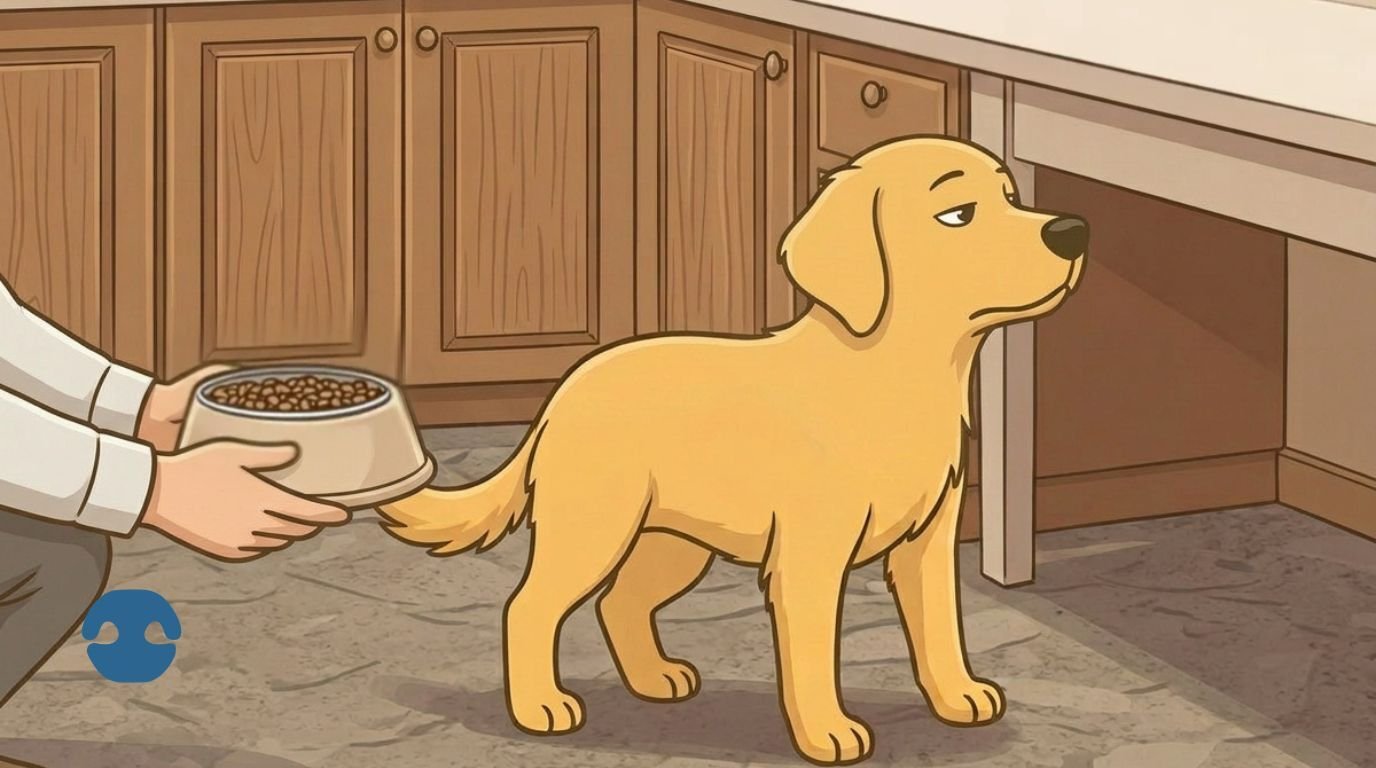

Walking away from the bowl. Eating one day, refusing the next.
If this sounds familiar, you’re dealing with a picky eater.
Picky eating is common. In many cases, it is not about appetite. It is about routine, environment, or what is in the bowl.
The goal is simple. Make mealtime consistent, appealing, and easy to enjoy.
Picky eating usually has a reason.
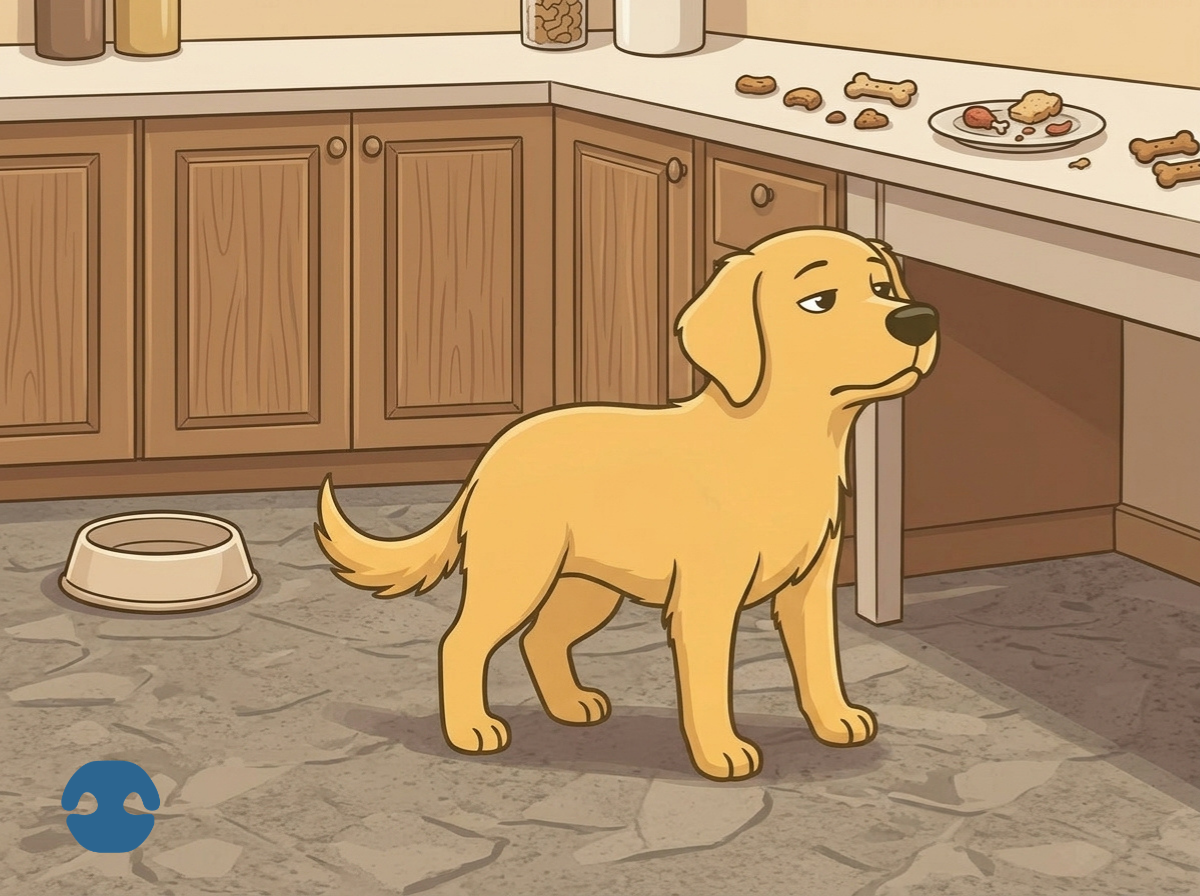
It can be frustrating, especially when you know they should be eating well.
If the behaviour is sudden or extreme, check with your vet first.
Dogs respond well to structure.

Consistency helps build appetite naturally.
A busy environment can affect eating.
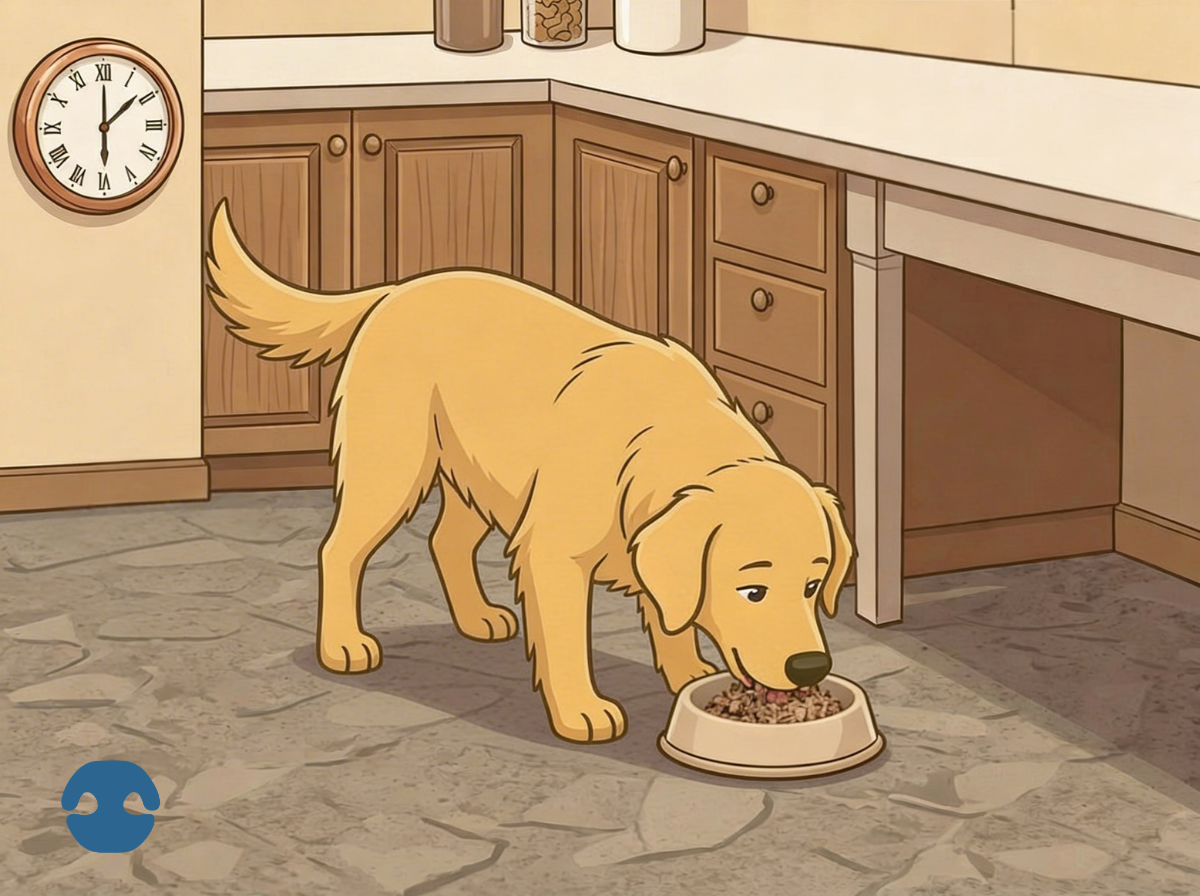
Some dogs need a calm setting to focus.
Too many extras can reduce interest in meals.
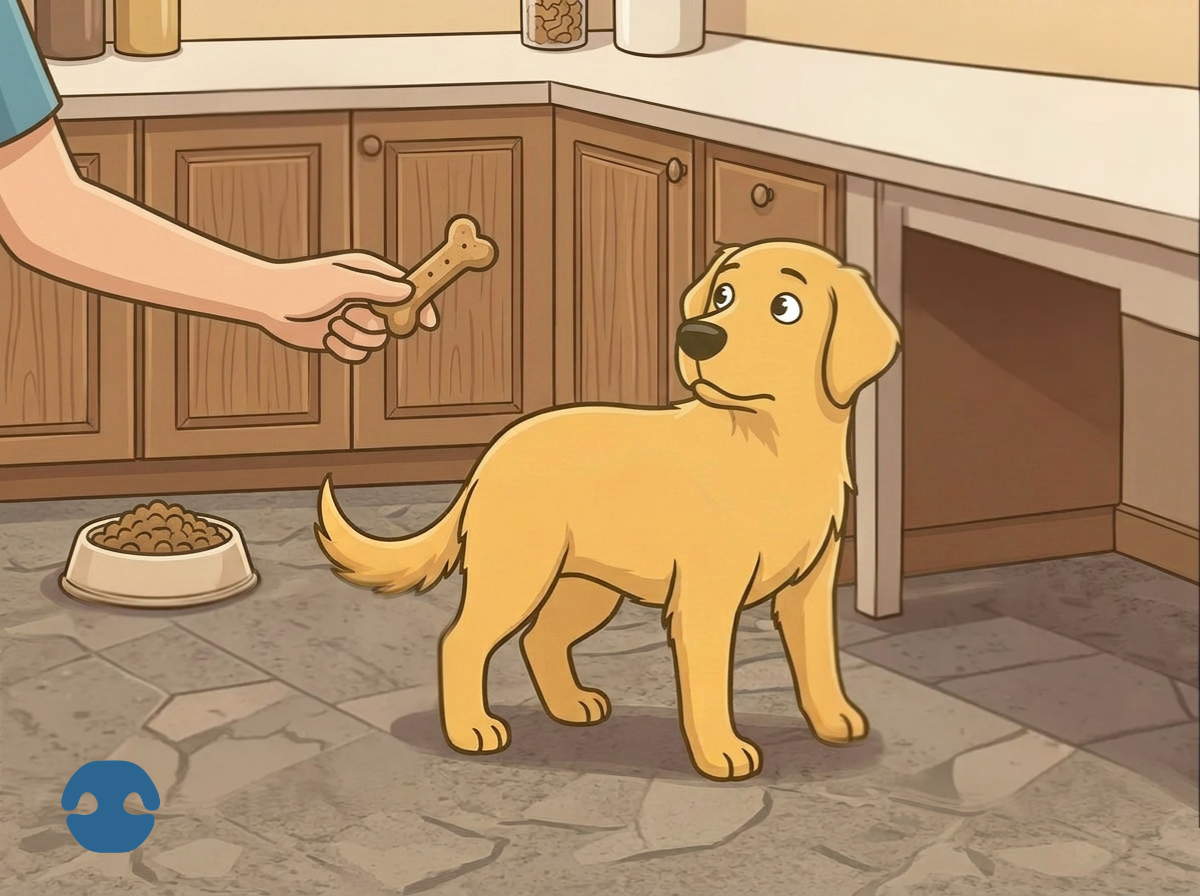
If they are full on snacks, they will not be hungry for their food.
Some dogs lose interest because the food is not engaging.
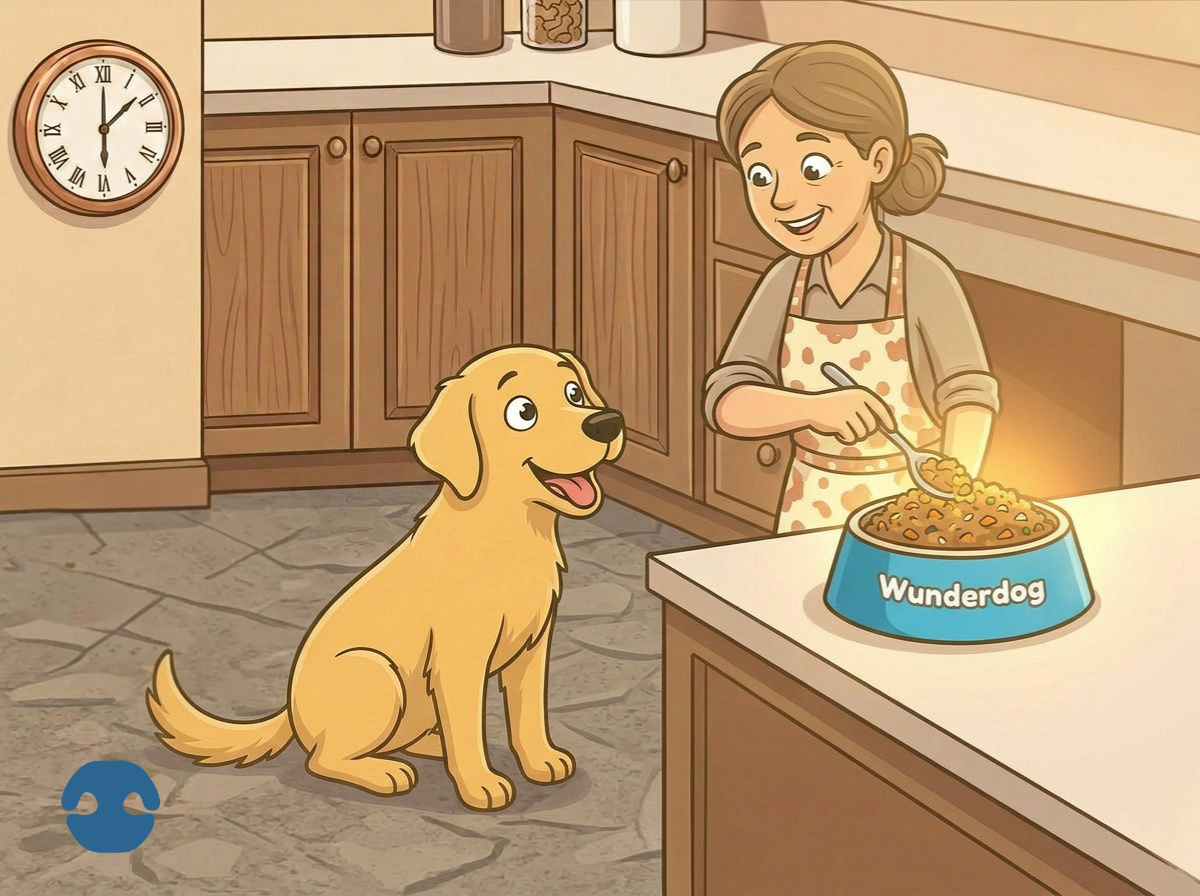
Keep toppers simple and consistent. Too many additions can make picky eating worse over time.
At Wunderdog, our meals are designed to be naturally appealing, with real ingredients dogs recognise and enjoy.
Constant changes can create pickiness.
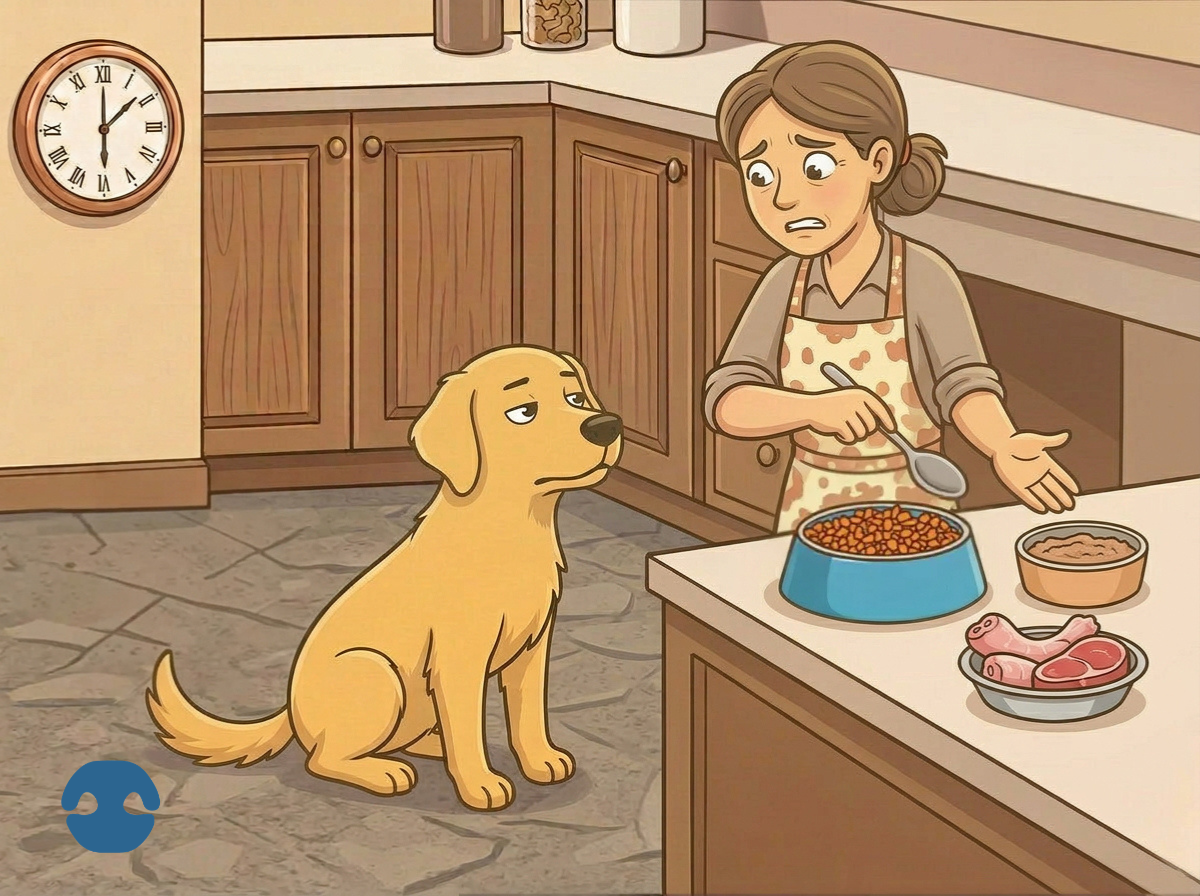 Dogs can learn to wait for something “better” if variety is too frequent.
Make mealtime something your dog looks forward to.
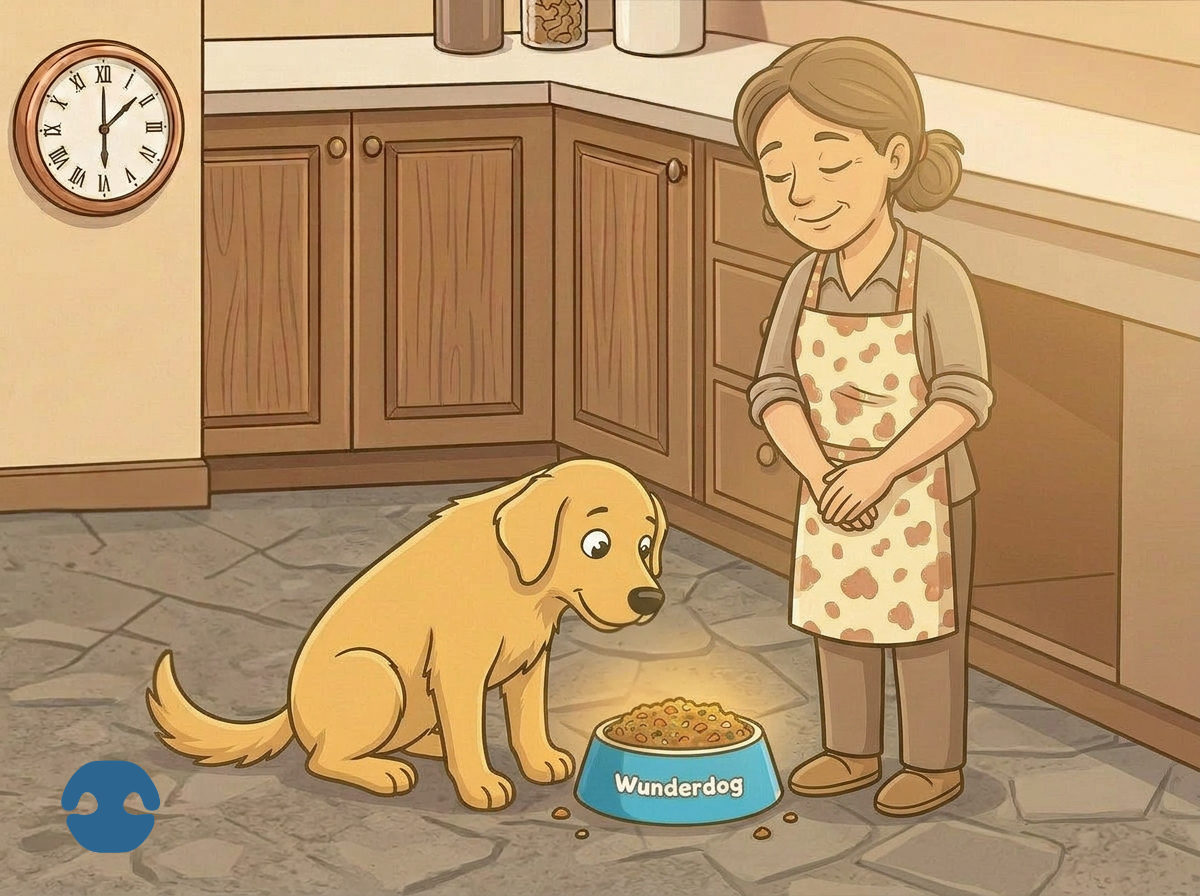
A positive routine helps reinforce good eating habits.
Variety can help, but it should be controlled.
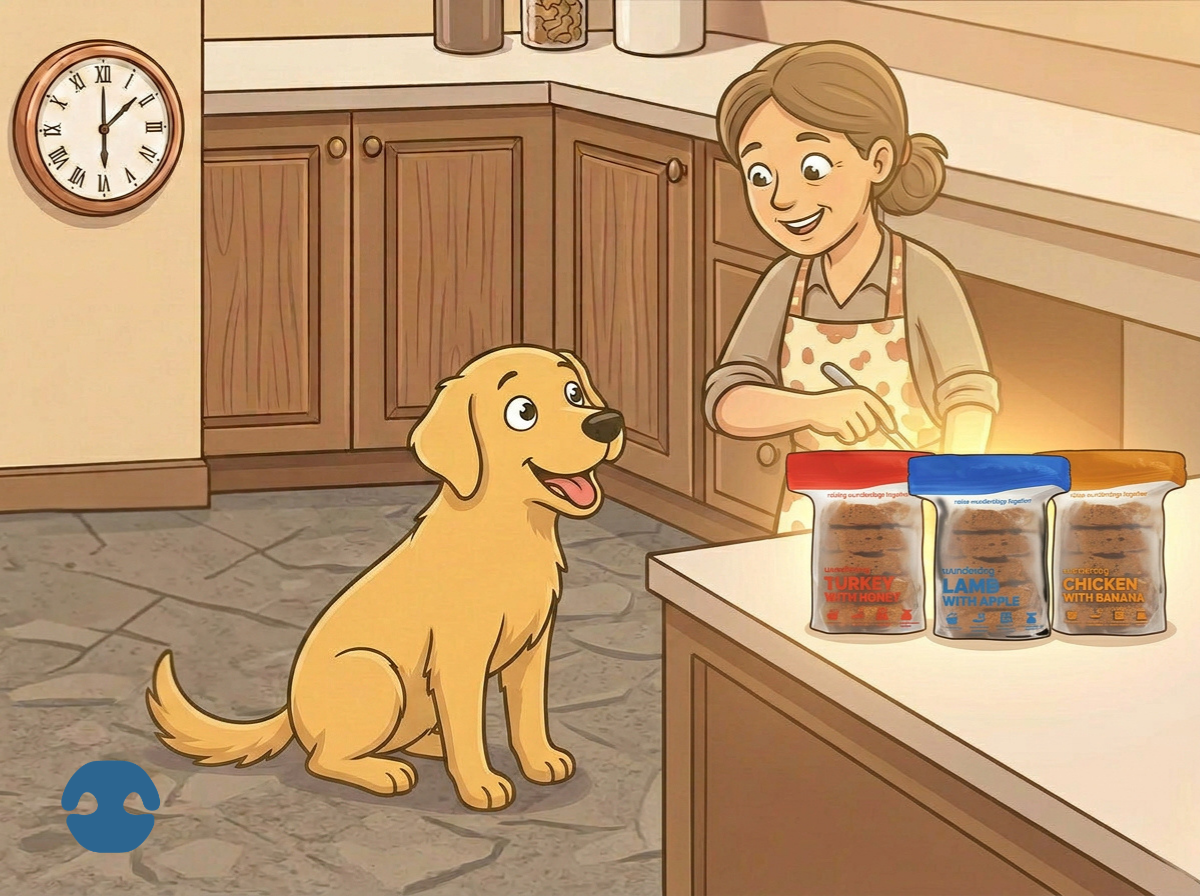
The goal is interest, not confusion.
If your dog regularly skips meals, loses weight, or shows low energy, speak to your vet.
Picky eating can sometimes be linked to underlying issues.
You can also book a free 30 minute consultation with Wunderdog’s in-house vet, Dr Georges Rizk, for clear, practical guidance tailored to your dog.
Wunderdog supports your dog’s daily nutrition, but it does not replace veterinary care.