
Skip to content
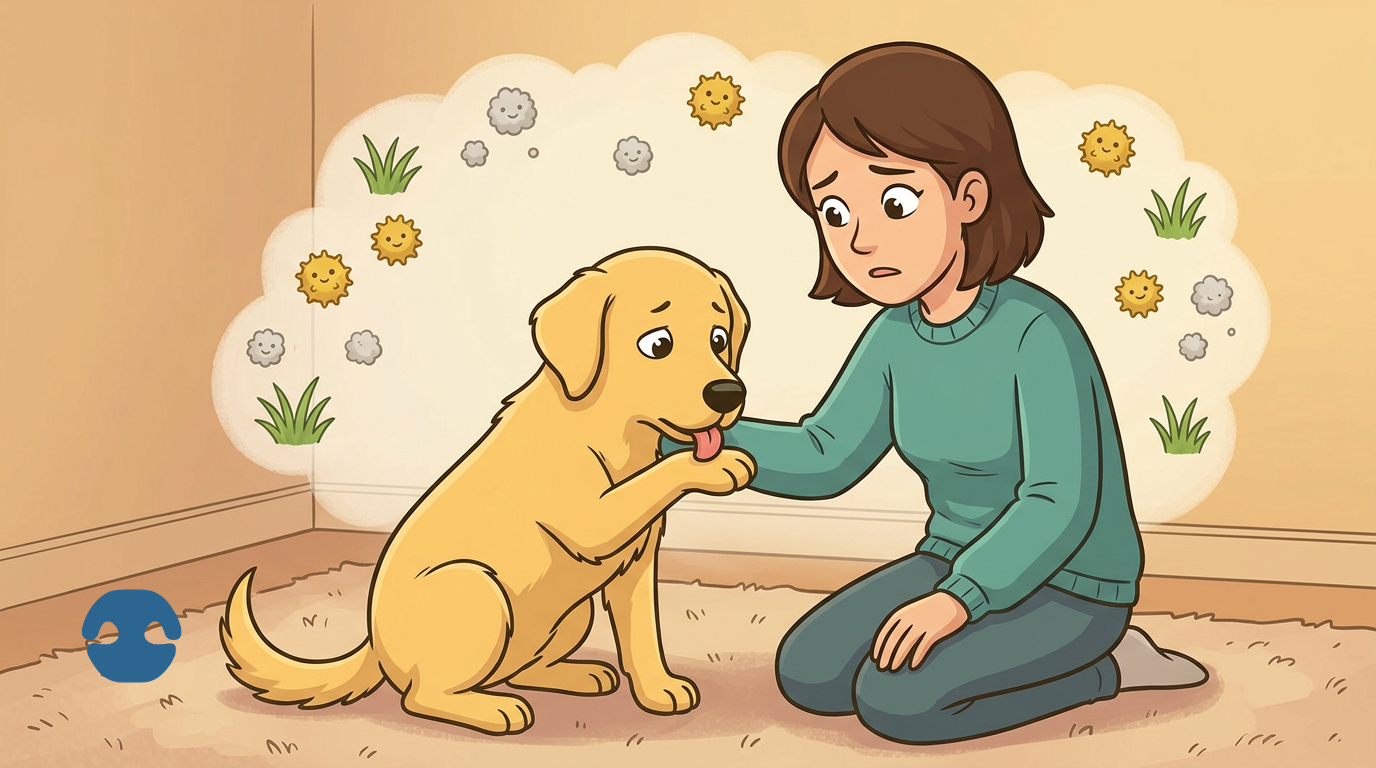
Cartoon dog licking its paw indoors while a concerned owner kneels beside it, with illustrated pollen, dust, and grass allergens around them
Skin and Coat Health environmental allergies

How to Manage Environmental Allergies in Dogs

Alaa Mneimneh
Alaa Mneimneh

Environmental allergies are common in dogs, especially in warm, dusty climates. Pollen, mould, and dust mites can trigger itching, skin irritation, and discomfort.

The goal is simple. Reduce exposure and support the skin barrier.

Step 1: Keep the coat clean

Allergens sit on your dog’s fur and skin after every walk.
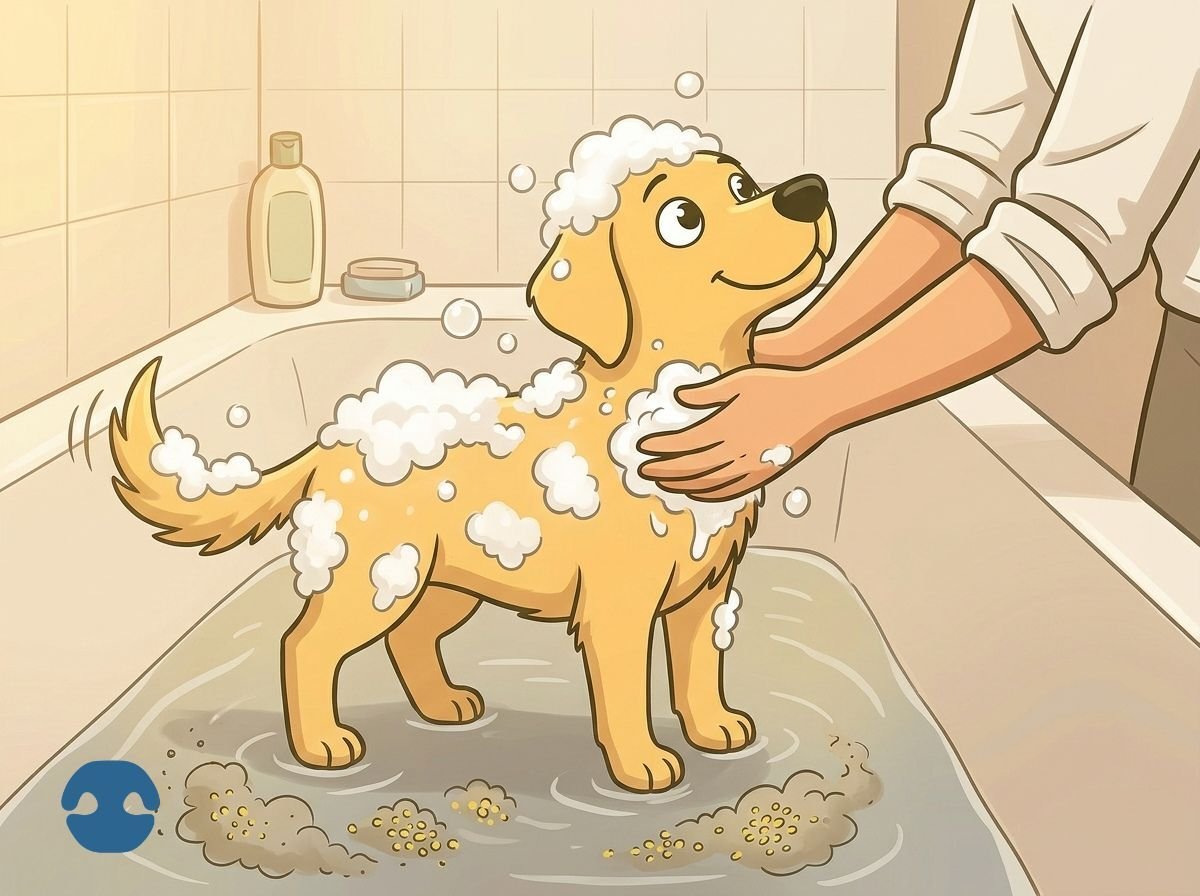
    • Bathe your dog biweekly using a gentle, hypoallergenic or medicated shampoo
    • Focus on soothing and hydrating the skin, not over-washing

Cartoon dog being bathed with shampoo in a tub, with bubbles and dirt washing off the coat

Clean skin helps reduce irritation and supports recovery.

Always check with your vet on how often to bathe your dog, as frequency can vary depending on their specific condition and needs.

Step 2: Wipe after every outing

Paws and fur carry allergens back into your home.

    • Use a damp cloth or pet wipes on paws, legs, and underbelly
    • Do this after every walk, especially during high-pollen days

Cartoon dog standing indoors while owner wipes its paws with a cloth, with small pollen particles visible around the paws

This small habit makes a big difference over time.

Step 3: Clean the home environment

Allergens do not stay outside.

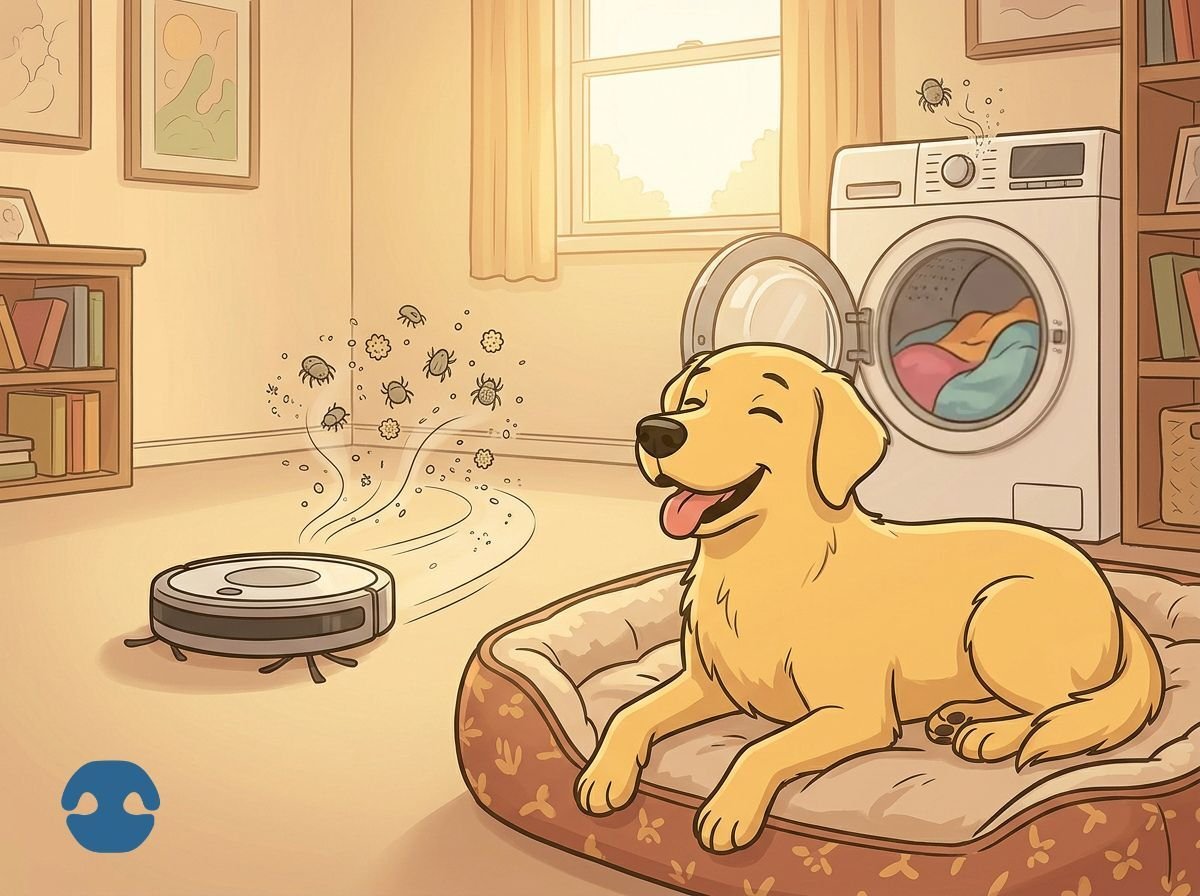
    • Vacuum carpets and furniture frequently, ideally with a HEPA filter
    • Wash your dog’s bedding weekly in hot water

Cartoon dog resting on a bed while a vacuum cleans the floor and a washing machine runs in the background, removing dust and allergens

This helps reduce dust mites and trapped pollen indoors.

Step 4: Improve indoor air

Air quality matters more than most people think.
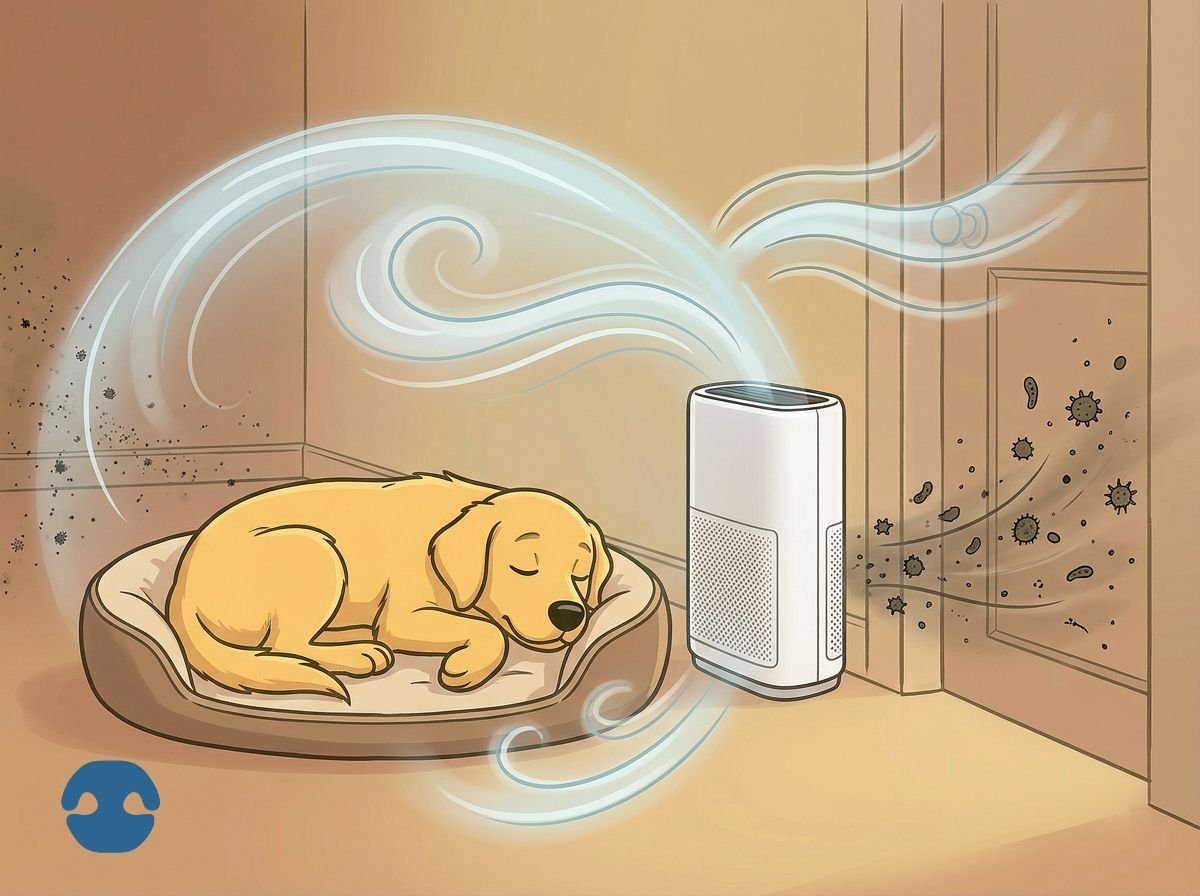
    • Use air purifiers to reduce airborne pollen and mould
    • Place them in areas where your dog spends the most time

Cartoon dog sleeping peacefully beside an air purifier filtering dust and allergens from the air

This is especially helpful during seasonal changes.

Step 5: Support the skin from within

Healthy skin starts with what’s in the bowl.

    • Fresh, gently cooked meals provide natural moisture, helping support hydration
    • Omega-rich ingredients help maintain skin quality and support a stronger barrier
    • Real, digestible ingredients reduce unnecessary strain on the body

Cartoon dog standing next to a bowl of Wunderdog fresh food, looking happy and ready to eat

At Wunderdog, our meals are moisture-rich and made with real ingredients to support overall wellbeing, including skin health, as part of a balanced routine.

Step 6: Monitor patterns and triggers

Allergies are not always constant. They often follow patterns.

    • Keep a simple journal of flare-ups
    • Note when symptoms appear, where your dog has been, and the time of year
    • Look for patterns like specific grasses, parks, or seasonal changes

Cartoon dog being bathed with shampoo in a tub, with bubbles and dirt washing off the coat

This helps you and your vet identify triggers faster and adjust care accordingly.

When to speak to your vet

If your dog has ongoing itching, redness, ear infections, or skin irritation, speak to your vet.

Environmental allergies often need a combined approach.

Wunderdog supports your dog’s daily nutrition, but it does not replace veterinary care.

Share this post