Shaking. Panting before the engine even starts. Refusing to jump in, or bolting for the front door instead. If car rides turn your dog into a nervous wreck, you're not alone. Dog car anxiety is one of the most common behavioural struggles guardians deal with, and it often goes unaddressed simply because rides feel unavoidable.
Signs of dog car anxiety
- Trembling or excessive panting before the car even moves
- Drooling more than usual
- Whining, barking or pacing in the car
- Refusing to get in, or needing to be lifted every time
- Vomiting or diarrhoea during or after the drive
- Trying to climb into your lap or hide in the footwell
- Yawning repeatedly or licking their lips, both subtle stress signals
- Reluctance to eat or drink in the hours before a trip
Some of these signs are easy to miss, especially the quieter ones like lip licking or excessive yawning. Dogs often show stress in small ways before it escalates into something more obvious.
Why dogs get anxious in the car
For many dogs, the car is unpredictable. Motion sickness, past bad experiences, or simply too few car rides as a puppy can all play a part. A dog that only ever travelled to the vet as a young pup may have learned, fairly reasonably, that cars lead somewhere unpleasant.
Motion sickness itself is common in younger dogs, whose inner ear and balance systems are still developing. Even once they physically grow out of it, the anxiety from those early uncomfortable rides can linger.
In the UAE, long drives in heat add another layer of stress. Cars heat up fast, and even short waits in a parked vehicle can leave a dog overheated and uncomfortable long before a guardian notices. That physical discomfort often gets tangled up with the emotional stress, making the whole experience harder to unpick.
Tips to help your dog feel calmer in the car
Start small. A few minutes sitting in a parked car, treats and calm praise, no engine, no movement, is enough for the first session. Build up gradually: engine on but stationary, then a short drive around the block, then slightly longer trips. Rushing this stage is the most common mistake guardians make.
Choose your destinations carefully while retraining. If every car ride currently ends at the vet, try adding in a few trips to somewhere your dog actually enjoys, a park, a friend's garden, or just a nice sniffing spot. This helps break the association between "car" and "something stressful is about to happen."
Keep the car cool and comfortable. A steady temperature and good airflow make a real difference, especially in summer months. Avoid direct sun on their favourite spot, and never leave a dog in a parked car, even briefly.
Offer water before you set off, and bring some along for longer trips. A dog that's a little dehydrated is often a more anxious, less settled traveller.
Avoid feeding a big meal right before a drive. A lighter stomach means less risk of motion sickness and a more comfortable ride.
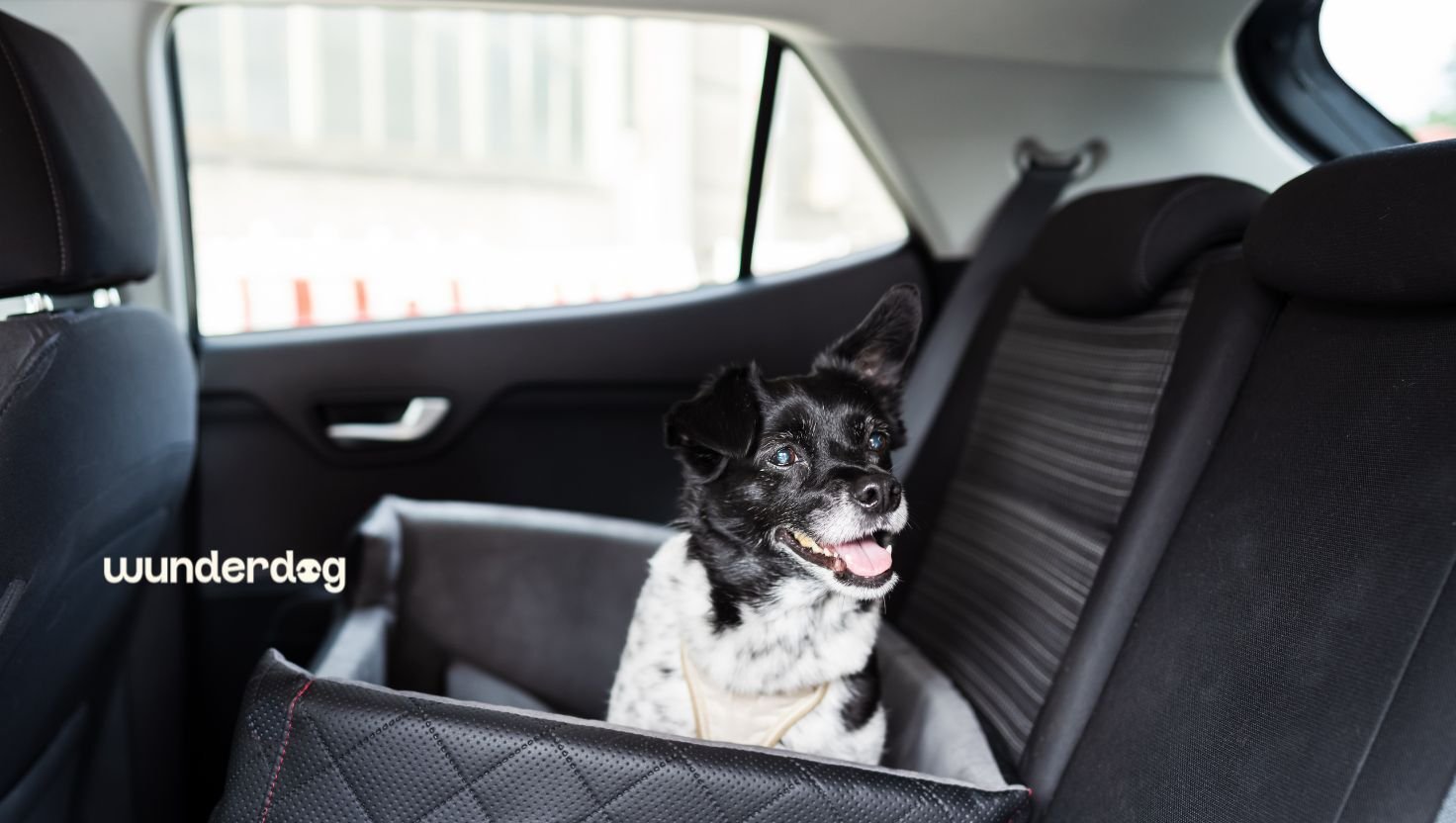
Secure your dog properly, whether that's a crash-tested harness, a crate, or a dog seatbelt. Feeling stable and contained often reduces anxiety on its own, rather than sliding around on the seat.
Stay calm yourself. Dogs pick up on tension in a guardian's voice and body language, so a relaxed, steady tone before and during the ride goes a long way.
Where Wunderdog fits in
Hydration matters more than most guardians realise, especially before car journeys in hot weather. A splash of Hydrohund in the water bowl before you head out can help keep your dog comfortably hydrated, supporting a calmer, more settled ride.