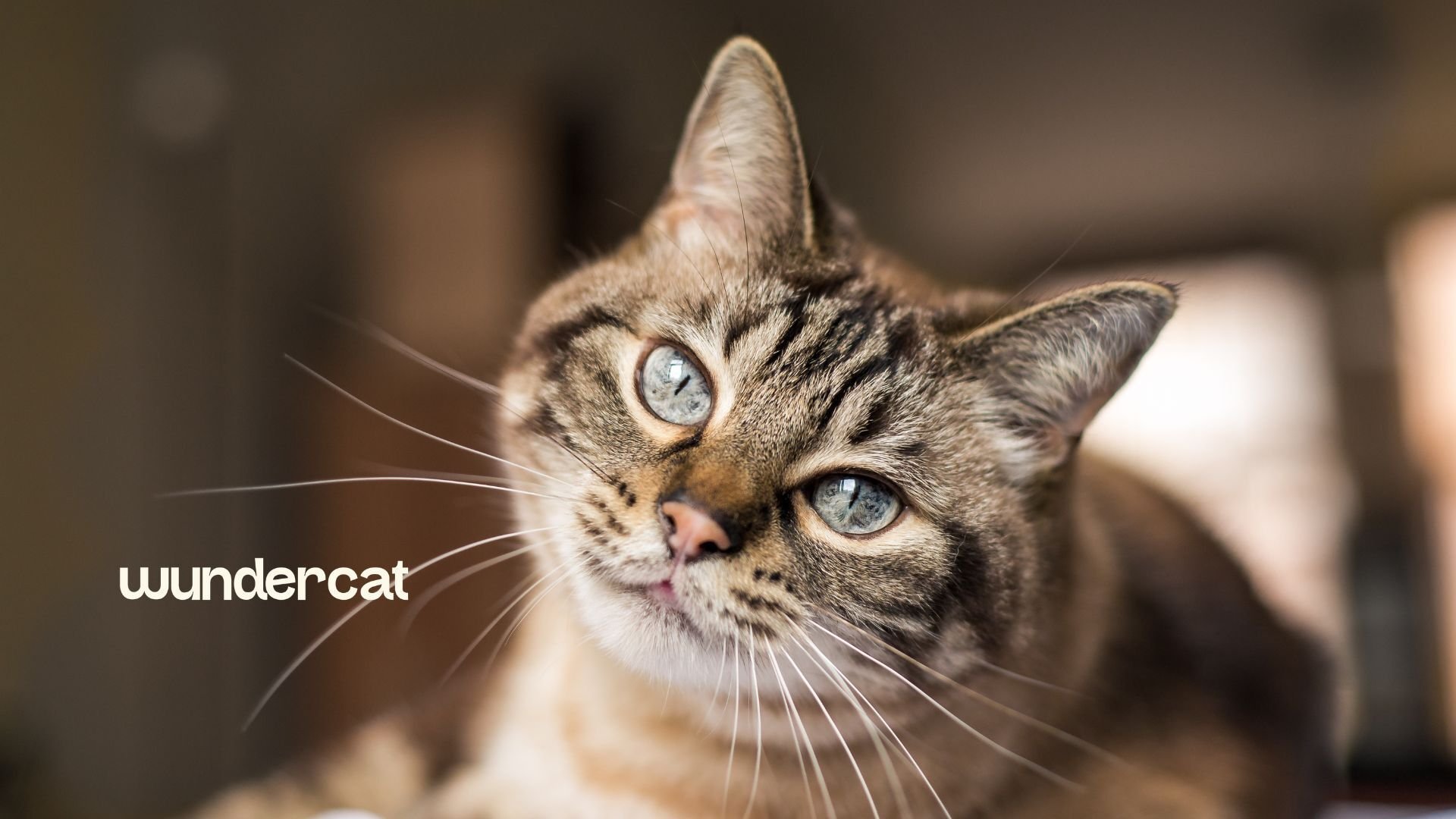
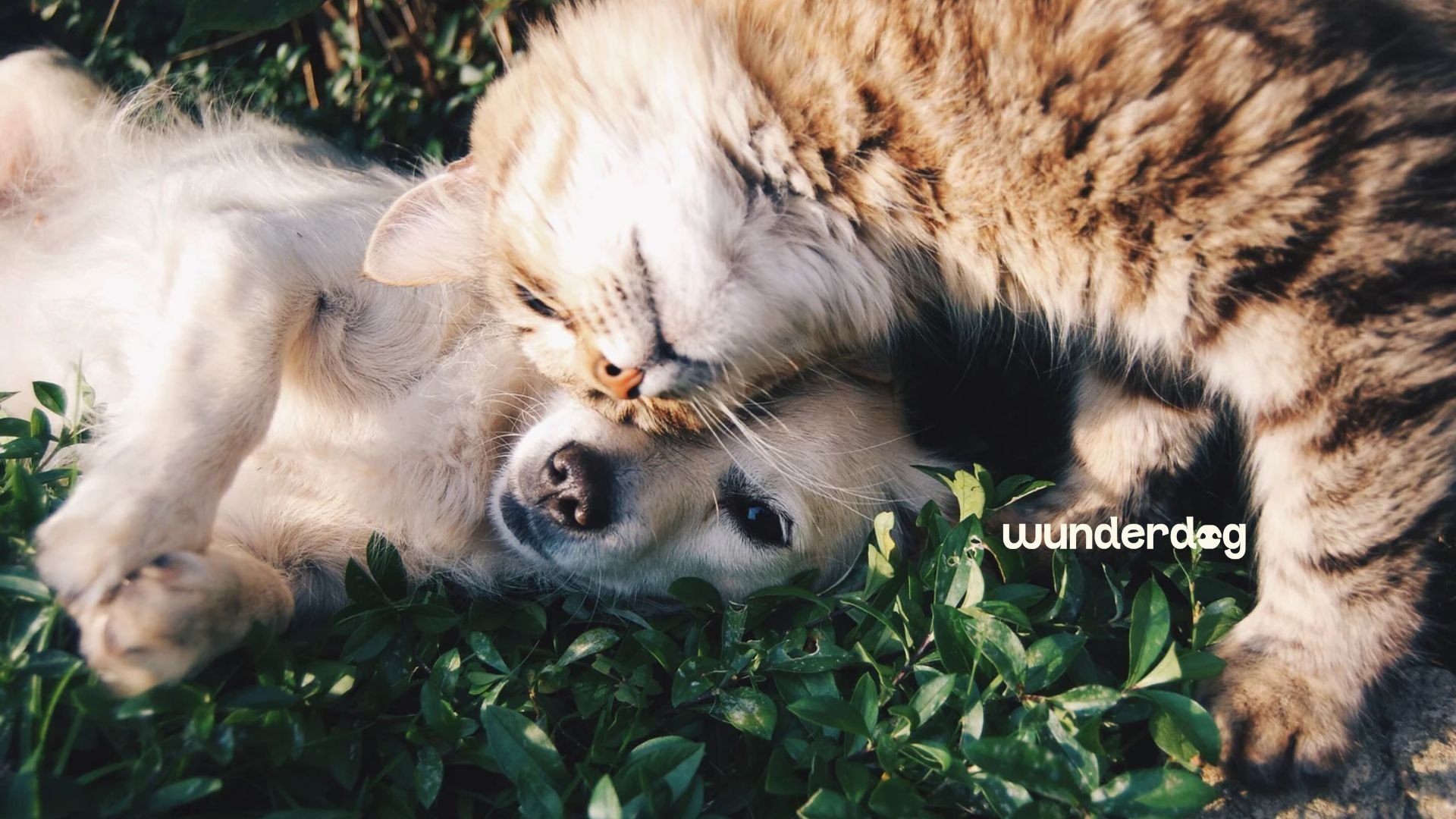
Cooler weather is here. Your pet has noticed.
Your dog seems hungrier now the weather's cooler. Your cat has claimed the sunniest spot in the house. Neither means something needs to change.
After months of intense heat, winter in the UAE changes our routines almost overnight. Walks get longer. Windows open. Weekends move outdoors.
Our pets feel the shift too. Most of the changes are normal, but every cat and dog responds differently. Here's what to look out for, from how they move to how they eat and drink, and when it's time to call your vet.
Winter activity: what changes for dogs and cats
Cooler weather usually means more movement. That's a good thing, as long as it builds up slowly.
Dogs
During summer, most UAE dogs only get short walks early in the morning or late at night. When temperatures drop, many are keen to do more: longer walks, beach trips and desert outings.
If your dog was less active over summer, their fitness may have dipped. Add a little time to each walk over a few weeks, rather than jumping straight into long hikes. Muscles, joints and paw pads all need time to adjust.
Cats
Cats respond to the season too. Some become more playful. Others spend longer at windows or on a safely enclosed balcony, watching the world outside.
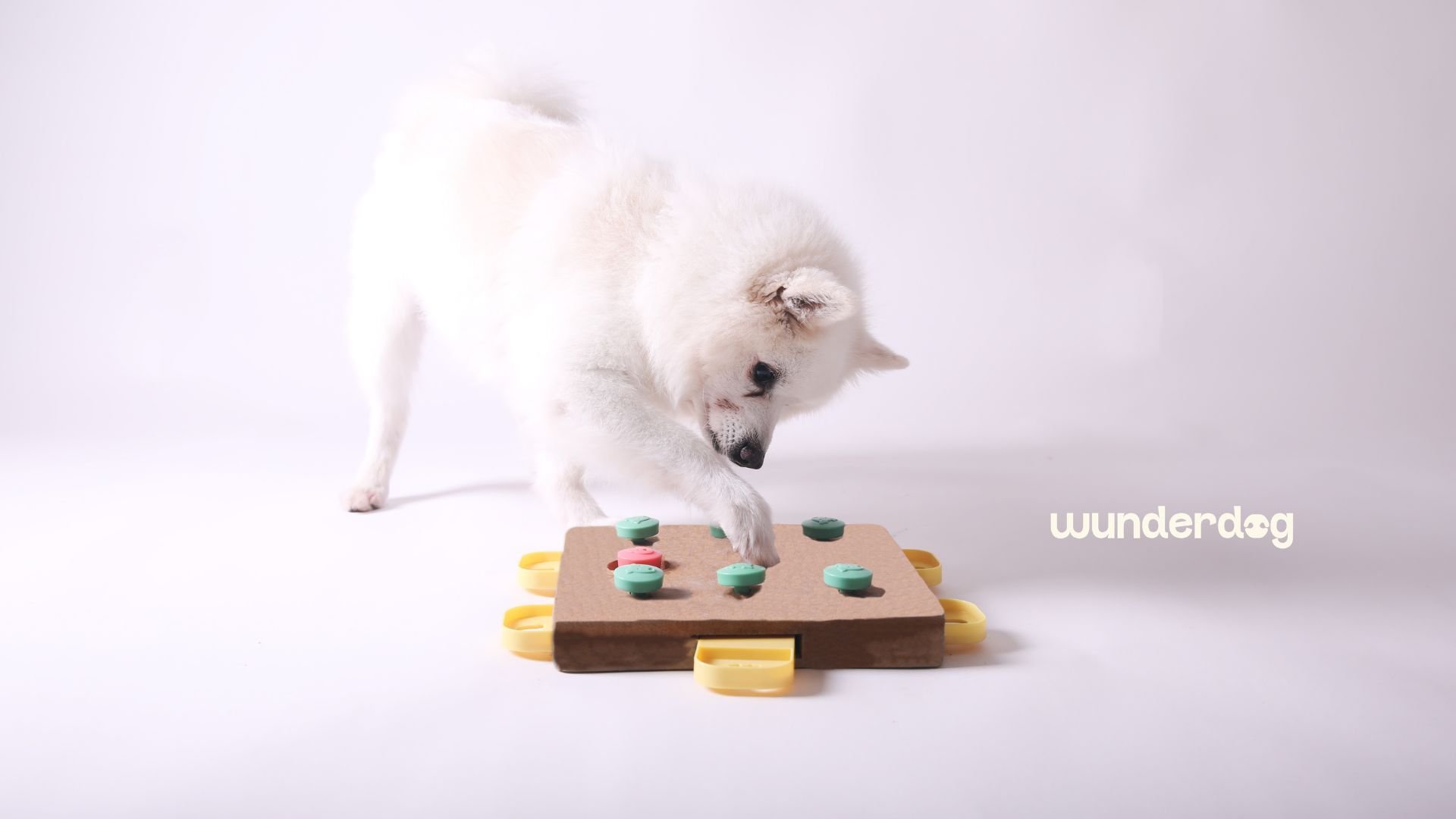
Cats are natural hunters, and they hunt in short bursts. Two or three short play sessions a day, with wand toys, puzzle feeders or climbing spaces, often suit them better than one long one.
Winter outings in the UAE: staying safe
More movement means more time outside, and the cooler season opens up beaches, parks and desert outings. For dogs, a few things keep these trips safe:
- Check the ground. Midday sun can still warm sand and pavements. Test the surface with your hand first.
- Look after paws. Check pads after longer outings on sand, rocks or trails.
- Bring water. Every time, even on short trips.
For cats, keep outdoor time safe and controlled. A balcony with cat-safe netting, a window perch or a supervised harness session offers fresh air without the risks of roaming.
Winter comfort for senior cats and dogs
Not every pet bounces into the cooler months. Some guardians notice that pets with existing joint conditions seem stiffer on cooler mornings, especially older cats and dogs. Look for slower starts after sleep, hesitation on stairs, or a cat who no longer jumps to a favourite high spot.
- Offer soft bedding away from draughts and air conditioning vents
- Add ramps or steps to help senior cats reach sofas, beds and windowsills
- Start walks gently and keep them consistent through the week
New or worsening stiffness is always worth discussing with your vet.
Does cooler weather affect your pet's appetite?
Once pets start moving more, many guardians notice a change at the bowl too. Cooler weather can affect appetite, but not always in the way people expect.
In the UAE, the main driver is usually activity rather than temperature. A dog who walks further uses more energy, and their appetite may rise to match. Heat also dampens appetite in some pets, so a return to normal eating can look like an increase.
Hungrier doesn't always mean bigger portions
UAE winters are mild. Most indoor cats and dogs don't need extra calories to keep warm. Extra food without extra activity tends to become gradual weight gain, which often goes unnoticed until it adds up.
Before changing anything, look at three things:
- Activity. Has their daily movement genuinely increased?
- Appetite. Are they finishing meals and still looking for more, or just more curious around food?
- Body condition. Can you feel their ribs easily under a light layer of fat? Can you see a waist from above?
If your dog is clearly more active and starting to lose a little condition, a small portion increase may be appropriate. If activity hasn't changed, keep portions steady.
Cats and appetite
Cats assess food by smell, texture and temperature before they commit, so small day-to-day changes are common. The overall pattern is what matters. A cat who stops eating, or eats far less than usual, needs attention. More on that below.
Hydration isn't just a summer concern
Appetite isn't the only habit that shifts in winter. Many pets also drink less when it's cooler, but their bodies still need steady hydration.
Dogs
Dogs usually drink when they're thirsty, and more after exercise. With longer winter outings, carry water and offer it during breaks, not just at the end. Keep a clean, full bowl available at home.
Cats
Cats descend from desert-dwelling wildcats and have a naturally low thirst drive. In the wild, most of their fluids come from the prey they eat, not from drinking.
That's why many cats drink very little, whatever the season. If most of their diet is dry food, which typically contains around 6 to 10% moisture, they may not make up the difference at the water bowl.
To encourage your cat to drink:
- Place water bowls away from their food
- Offer a few bowls in different spots around the home
- Try wide, shallow bowls or a water fountain
The role of moisture-rich food
This is where food can make a real difference to daily water intake, for cats and dogs alike. Wunderdog and Wundercat meals are fresh, gently cooked and naturally moisture-rich, so every bowl contributes to hydration alongside what your pet drinks.
For cats, this mirrors the way their bodies are designed to get water: through their food. Wundercat meals are made with real meat and organs, gently cooked and fresh frozen, so moisture stays part of every meal.
Should you change your pet's diet in winter?
With activity, appetite and drinking habits all shifting, it's natural to wonder whether your pet's food should change too. For most pets, the answer is no. The goal is a complete, balanced diet, with portions that match their real activity. Adding lots of extras or treats can throw that balance off.
If your pet eats Wunderdog or Wundercat and their routine changes noticeably this winter, speak to us about whether their portions should change too.
When should you speak to your vet?
Most of what we've covered here is a normal part of seasonal change. Small shifts in energy, appetite and drinking are expected. Some changes are not.
Speak to your vet if you notice:
- A sudden loss of appetite, or a pet refusing food
- Unexplained weight loss or weight gain
- Drinking a lot more or a lot less than usual
- New or worsening stiffness, limping or reluctance to move
- Low energy that doesn't match their routine
- Changes in behaviour, such as hiding, irritability or restlessness
Cats need particular care here. A cat that stops eating, even for a day or two, can become unwell quickly. Don't wait to see if it passes. Contact your vet promptly.
When in doubt, ask. Your vet knows your pet's history and can tell you whether a change is seasonal or something more.
Enjoying winter together
The cooler months are one of the best times of year to share with a pet in the UAE. Dogs get to explore more. Cats get fresh air and new things to watch.
The key is to watch your pet as an individual. Notice how their activity, appetite and drinking habits change, and keep hydration and balanced nutrition at the centre of their routine.
Fresh, gently cooked meals made with human-grade ingredients can support that routine all year round, with moisture in every bowl and portions tailored to your pet.
Find the right fresh food plan for your cat or dog.