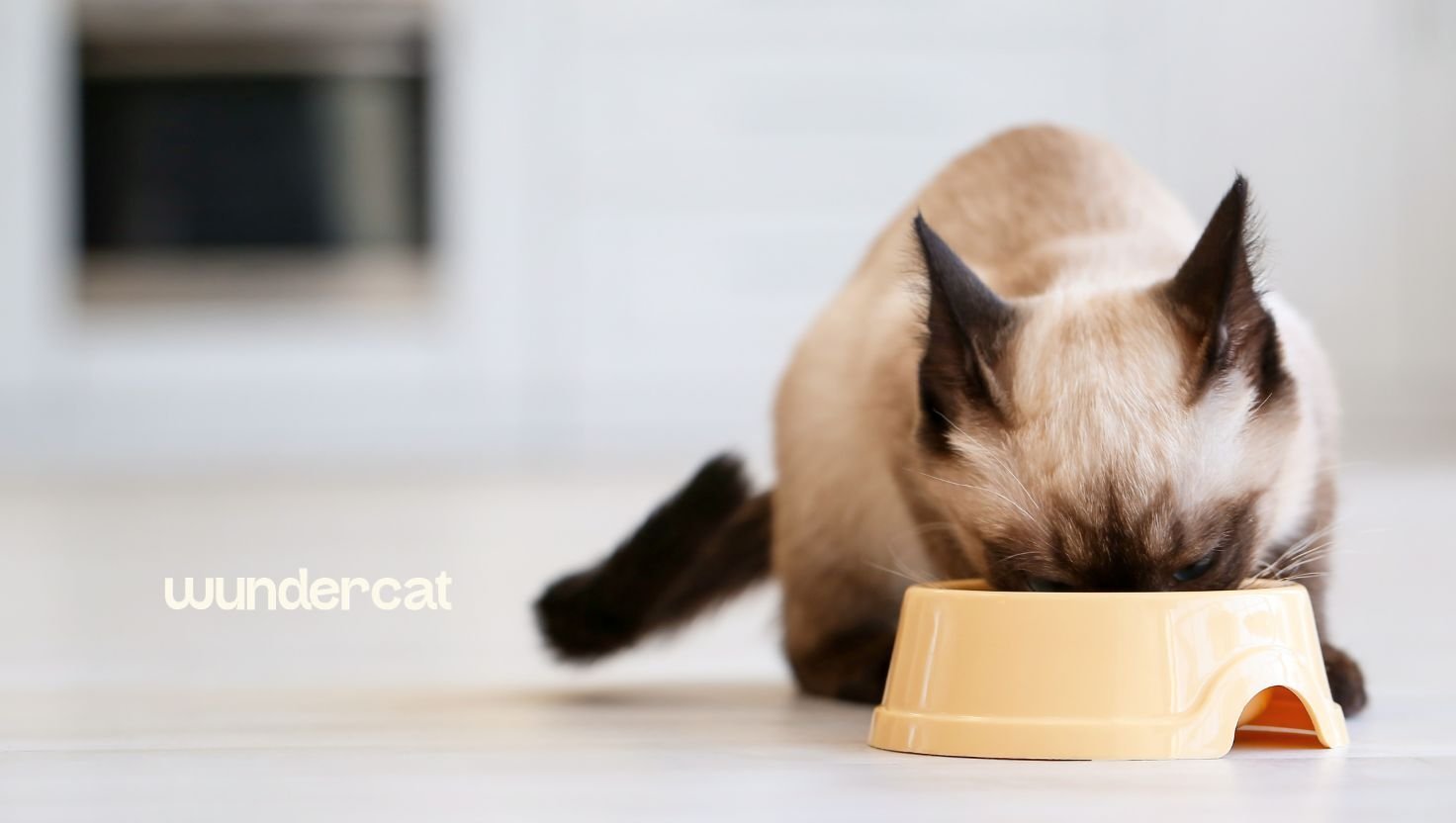
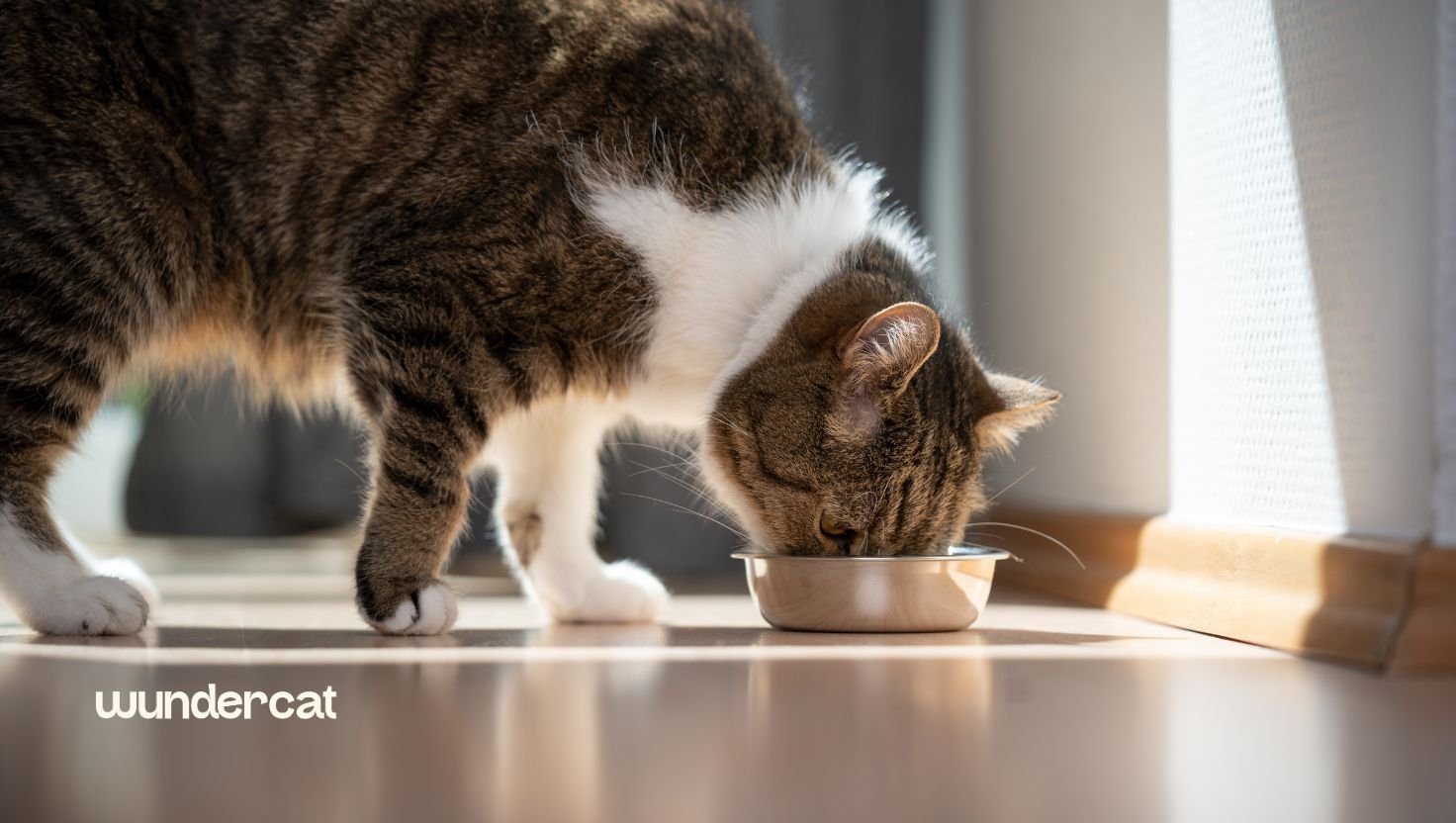
If your cat is eating mostly dry food, the most effective way to improve hydration is to switch to a moisture-rich diet.
Cats are not built to drink enough water on their own, so hydration has to come from food.
And this is where most parents get it wrong.
Why hydration is such a big deal (especially here)
Let’s be honest, most cats don’t drink much.
You leave a full bowl of water, and it barely moves. Parents assume “he’s fine.” He’s not.
In places like the UAE, this becomes even more important. Indoor cats, air conditioning, low activity, all of this reduces natural thirst even further. On top of that, heat increases baseline dehydration risk.
So what you get is a cat that looks normal, eats normally, but is constantly slightly dehydrated. And that adds up over time.
What’s actually going wrong
Cats evolved from desert animals. Their natural diet was prey, which is about 70 percent water. Dry food today? Around 10 percent. That gap is massive. Here’s the key problem:
Cats do not compensate by drinking more. They simply stay under-hydrated. This is where things go wrong.
Over time, this affects:
- urine concentration
- kidney workload
- digestive function
- overall metabolic balance
And this is why we see so many issues like urinary problems, early kidney changes, and even constipation.
Not because something is “wrong,” but because hydration was never really addressed.
A very common hidden trigger: dry food
Let’s talk about something most people overlook. Dry food is not just “less water,” it actively increases the need for water. The body has to pull water internally to digest it.
So you often see:
- cats drinking right after eating
- very concentrated urine
- low urine volume
- occasional constipation
And in hot climates, this becomes even more pronounced. Most parents miss this, but drinking water is not enough to fix a low-moisture diet.
What actually works (simple, structured approach)
This is where things actually improve. Start with one change, increase moisture through food. Fresh or wet food typically contains around 70 to 77 percent moisture, which is much closer to what cats are designed for.
That alone can shift hydration significantly. Then keep everything consistent. Do not mix multiple foods randomly. Do not keep switching. If you’re transitioning, do it properly. A slow transition over about 10 to 13 days is usually needed to avoid refusal and digestive upset.
Appetite is everything in cats. If they stop eating, even briefly, that becomes a bigger problem than hydration itself.
What to expect when you fix hydration
This part surprises people. Once moisture improves, you’ll often see:
- less drinking from the bowl (this is normal)
- more regular urination
- smaller, more consistent stools
- better overall appetite stability
These are good signs, not problems.
When should you worry
Most hydration issues are subtle, but some signs matter. Pay attention if you see:
- straining in the litter box
- very small or infrequent urine clumps
- reduced appetite
- lethargy
- vomiting or constipation
And one important rule:
If your cat eats less than half of its normal intake for 24 hours, that’s already a concern.
At 48 hours, it becomes urgent due to risk of fatty liver. Never ignore appetite in cats.
How nutrition becomes the solution
This is where food stops being “just food.” Hydration should not depend on a water bowl. It should be built into the diet.
With Wundercat, this is exactly the focus:
- moisture-rich meals (around 74 to 77 percent)
- real ingredients providing hydration naturally
- balanced, complete nutrition aligned with feline needs
This is very different from dry feeding, where hydration is always a separate, unreliable step.
Here, it’s automatic.
What I commonly see in practice
A very typical case is a cat that comes in with early urinary signs. Nothing dramatic yet. Maybe mild straining, maybe smaller urine output. We look at the diet, and almost always: dry food, low water intake, indoor lifestyle.
We don’t jump to medication. We fix hydration first. And in many cases, that alone stabilises things within a few weeks. Not because the food is “special,” but because it matches what the body actually needs.
Final thoughts
Cats are not built to drink their water. They’re built to eat it.
If you want to improve your cat’s long-term health, hydration is one of the most important places to start. Keep it simple. Increase moisture, stay consistent, and let the body stabilise.
That’s where real improvement happens.